
How to Prevent Moss on a Roof
(Without Making It Worse)
Moss comes back because the conditions that grew it never changed. Here's what actually drives roof moss and what practical steps help stop the cycle.
Practical guidance from Whatcom County pros
Moss Is a Symptom. The Conditions Are the Cause.
If you've cleaned a roof and watched moss return within a year or two, it's because nothing changed about the environment.
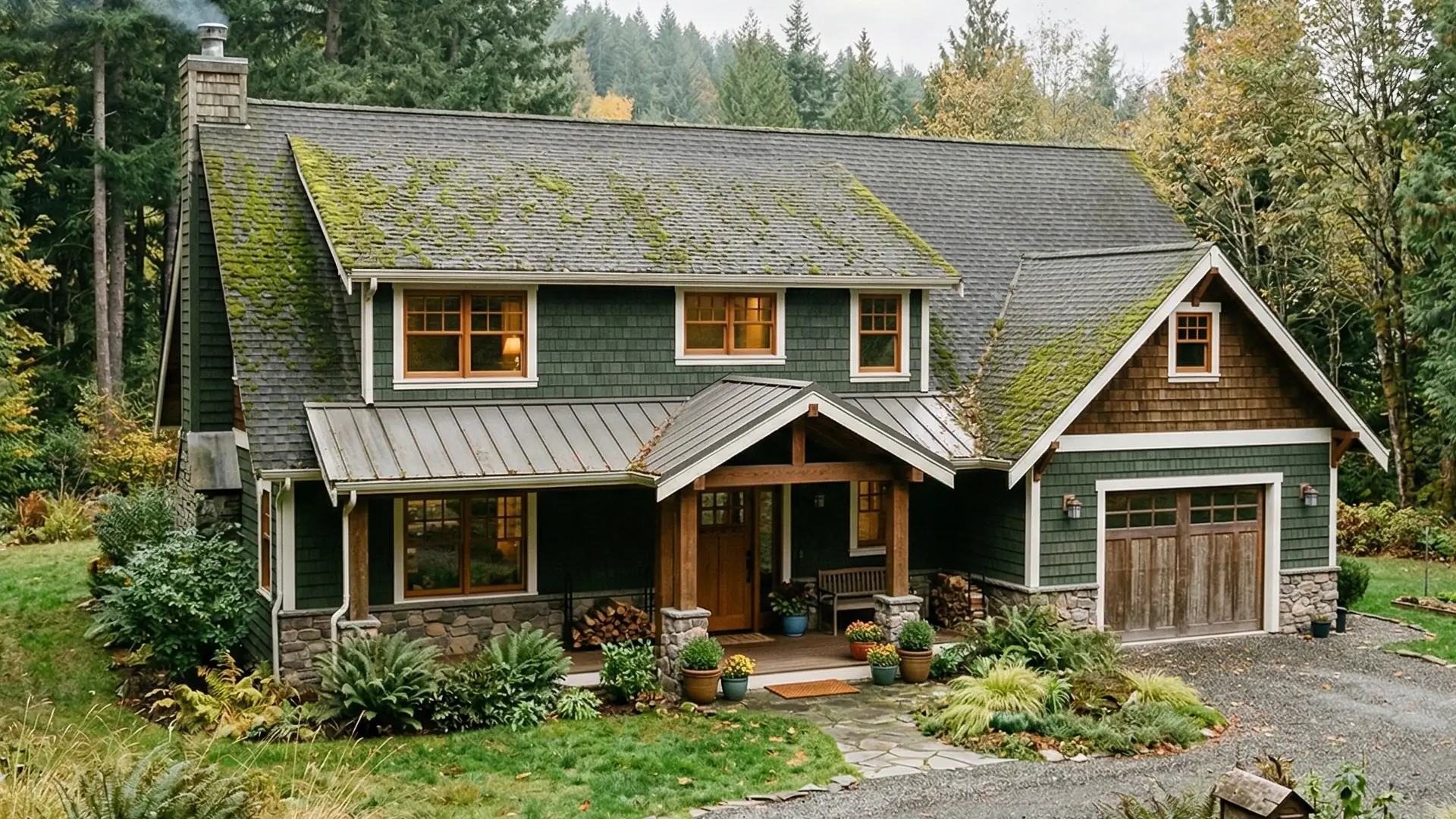
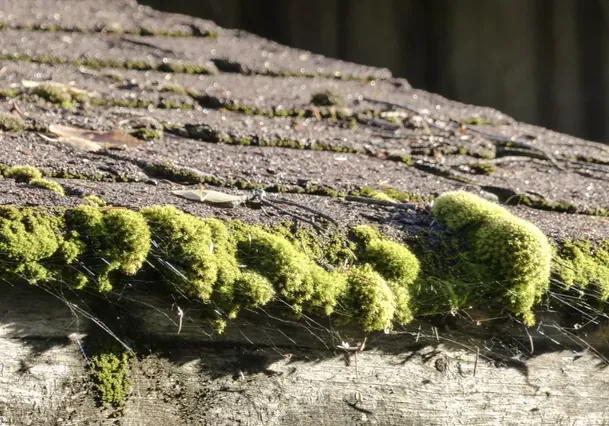
Roof moss needs three things to thrive: moisture, shade, and organic debris. In the Pacific Northwest — Bellingham and the rest of Whatcom County included — those conditions are on the default setting for most of the year. You can't eliminate them, but you can stop feeding the cycle. That's what prevention is: a set of practical habits and treatments that make the roof a less friendly place for moss to take hold.
The Four Things Moss Needs to Come Back
Understand these, and the prevention approach makes sense on its own.
Moisture That Lingers
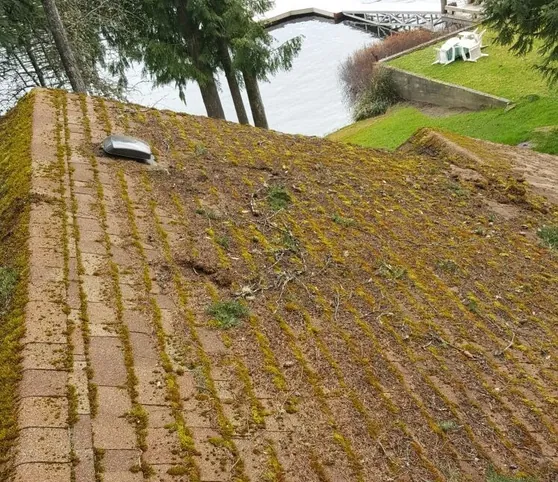
Long wet seasons, shaded slopes that don't dry between rains, and surfaces that hold water. Moisture by itself isn't the problem — moisture that never leaves is.
Shade
Direct sun dries a roof fast and slows biological growth. Mature tree cover keeps parts of the roof in shade most of the day and flips the balance toward moss.
Organic Debris
Needles, leaves, and pollen landing on the roof turn into a growing medium — especially once it packs into valleys. Moss feeds on the breakdown of that material.
A Long Memory
Spores stay in the surrounding environment. Even a clean roof picks them up again fast. Prevention is about making the roof inhospitable to regrowth, not about sterilizing the air.
Practical Steps to Prevent Moss Regrowth
These are the things that consistently work. In order.
Start With a Clean Roof
Prevention only works on a clean surface. Roof cleaning and moss removal come first — ideally done with low-pressure methods that don't damage shingles.
Apply a Prevention Treatment
A roof-safe treatment applied after cleaning meaningfully slows regrowth. This is the single biggest lever for stretching the clean period. See our prevention service for the full breakdown.
Keep Debris Off the Roof
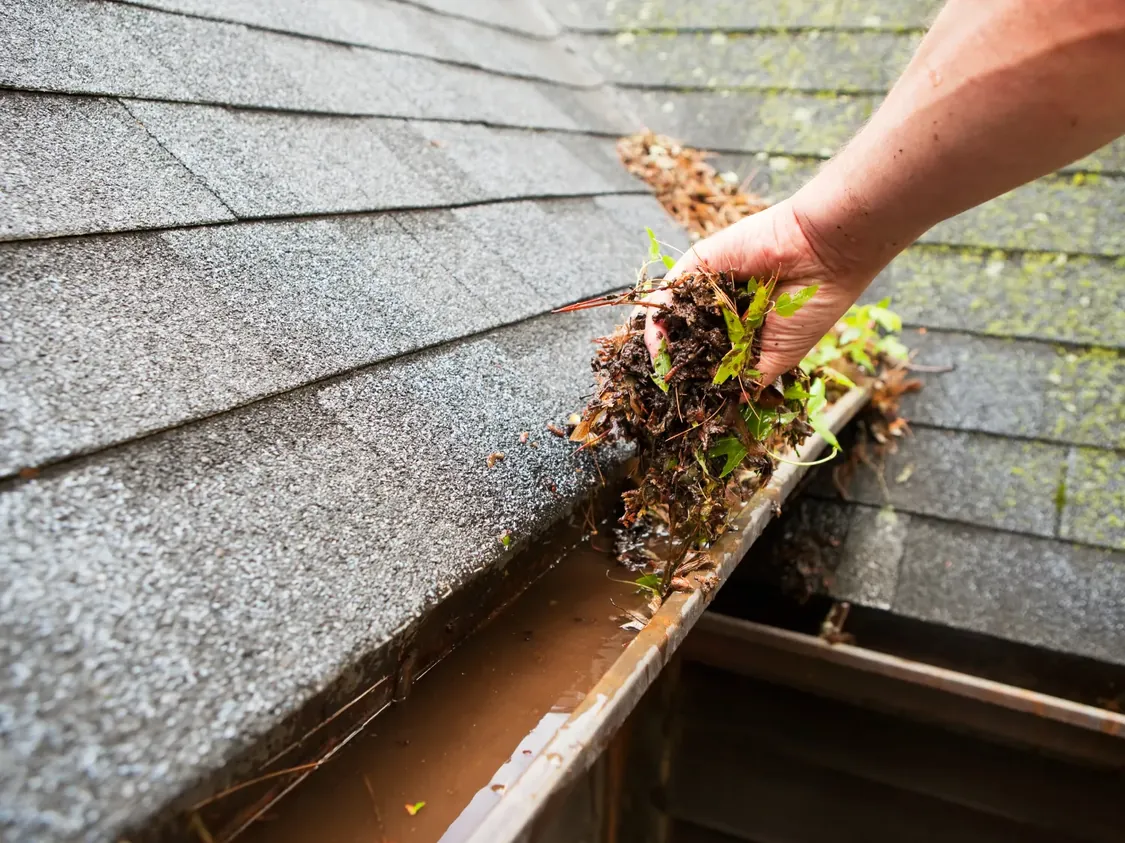
Clear valleys, ridgelines, and gutters on a schedule. The less organic material stays on the roof, the less there is for moss to feed on.
Trim Back Overhanging Trees (Where You Can)
Reducing constant shade and debris drop slows the cycle at the source. Not always possible in established neighborhoods, but where it is, it helps more than most people realize.
Inspect Annually
A yearly walk-around catches small issues before they're big ones. Most homeowners fold this into annual roof maintenance so it just happens.
What Not to Do
A few things make the problem worse. Worth calling out.
Don't pressure-wash the roof. It strips shingle granules and drives moisture under the shingles. The roof looks clean for a minute and ages significantly faster over the following years.
Don't scrape moss off dry. Dry scraping damages shingle surfaces and doesn't remove enough of the rooted moss to matter.
Don't skip prevention after cleaning. Cleaning alone resets the clock to zero — without prevention, you're just scheduling the next cleaning faster than you need to.
Don't ignore the gutters. Blocked gutters push water where it shouldn't go and feed moss growth at the roof edges.
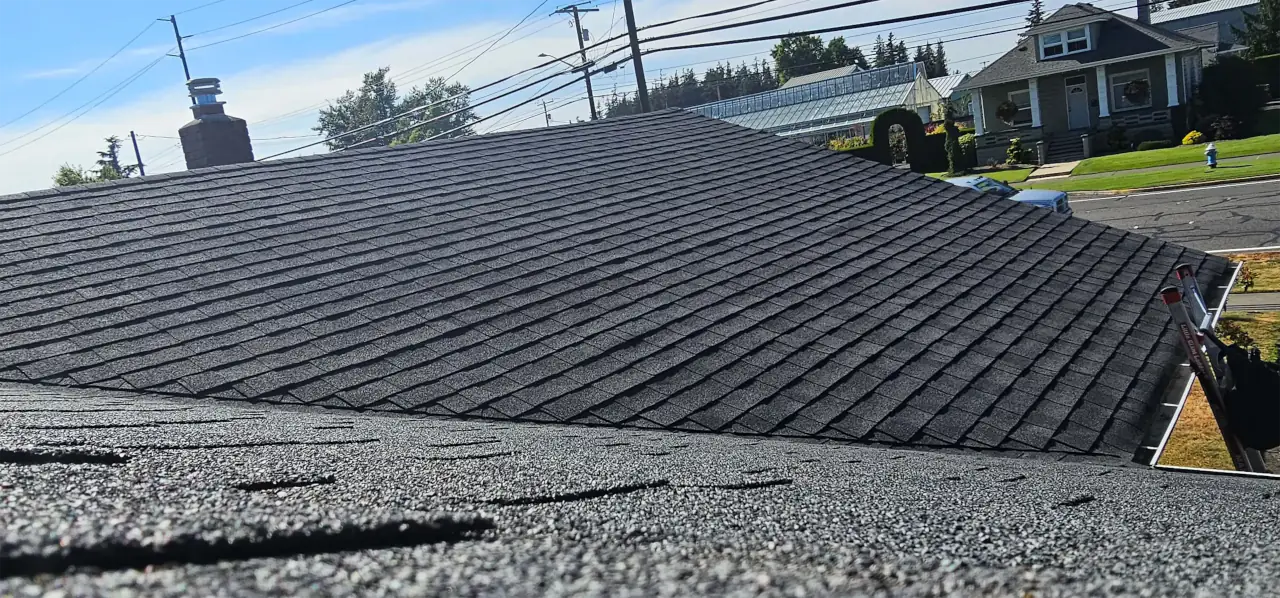
Related Services
The practical version of everything above, handled properly.
Roof Cleaning
The baseline. Low-pressure cleaning that removes moss and organic buildup without damaging shingles. Learn more →
Roof Moss Removal
Targeted work on established moss that a standard cleaning won't fully clear. Learn more →
Roof Moss Prevention
The treatment that follows cleaning. What actually stretches the clean period. Learn more →
Gutter Cleaning
The other half of keeping moss off the edges. Pairs naturally with any roof visit. Learn more →
Annual Roof Maintenance
Everything above on a schedule. The simplest way to stay ahead of it for good. Learn more →
Local Prevention Pages
Serving Bellingham and Whatcom County.
Questions We Get About Moss Prevention
Some of it, yes. Keeping debris off the roof and clearing gutters are things many homeowners handle themselves. The professional-grade prevention treatment is where most people bring in help — it's where the results make the biggest difference.
They can help on the sections of roof directly below them when rain runoff carries the metal ions down the surface. They're not a complete prevention plan on their own, especially on heavily shaded roofs.
Often yes — the math can actually favor older roofs. Every year you add before replacement is money saved, and prevention is usually the cheapest way to add years. We'll give you a straight read during the inspection.
Not when applied correctly. We use roof-safe products and take care to protect landscaping. That's a reasonable thing to ask any company before they start.
Typically a couple of years, depending on tree cover, orientation, and weather. The reapplication cadence is part of what we build into annual roof maintenance.