

East County Roofs Take a Beating.
We Clean Them Properly.
Fog, heavy tree cover, and a long wet season mean roofs in Everson, Nooksack, and Sumas collect moss and debris year-round. We clean them the right way and help you stay ahead of the next cycle.
Trusted by Whatcom County homeowners
Roofs in Everson, Nooksack, and Sumas Work Harder Than They Look
The Nooksack Valley holds its own weather — fog, moisture, and shade stick around.
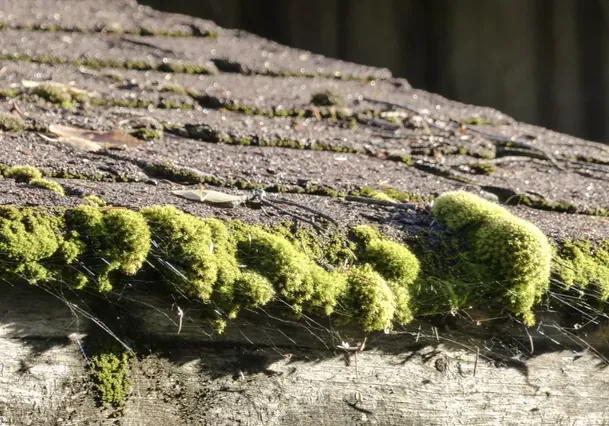
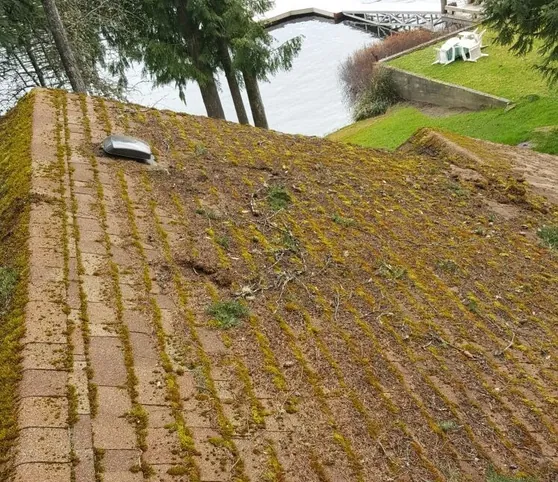
Homes out here sit on larger lots with mature trees overhead, and the valley holds morning moisture longer than open parts of the county. That's ideal for moss — on shaded sides of the roof, in valleys where needles pack in, and anywhere debris has a place to stay damp. A few seasons of buildup is enough to wear shingles down faster than they should. Regular cleaning keeps the roof on a manageable cycle instead of the expensive one.
What East County Roofs Are Up Against
Four things drive most of the wear we see on roofs in this part of the county.
Heavy Tree Cover
Rural lots in Everson and Nooksack often have mature conifers close to the house. Constant shade and steady needle drop keep the roof damp — perfect conditions for moss.
Valley Fog and Moisture
The Nooksack Valley holds fog past midday. North-facing roofs can stay wet for hours after the rest of the property has dried, which is how biological growth gets its foothold.
Debris Packed in Valleys
Needles and leaves pack down in roof valleys and don't rinse out in the rain. Once compacted, that layer holds moisture against the shingles and has to be cleared manually.
Roofs Left Too Long
Plenty of east-county homes haven't had the roof touched in five or more years. If the shingles are still sound, a thorough cleaning can usually bring it back to a clean baseline.
Cleaning Now. Staying Ahead of What Comes Back.
When there's established growth, targeted moss removal handles what a standard cleaning can't fully clear. A prevention treatment applied afterward meaningfully slows regrowth in this climate — our guide on how to prevent moss on a roof explains how it works.
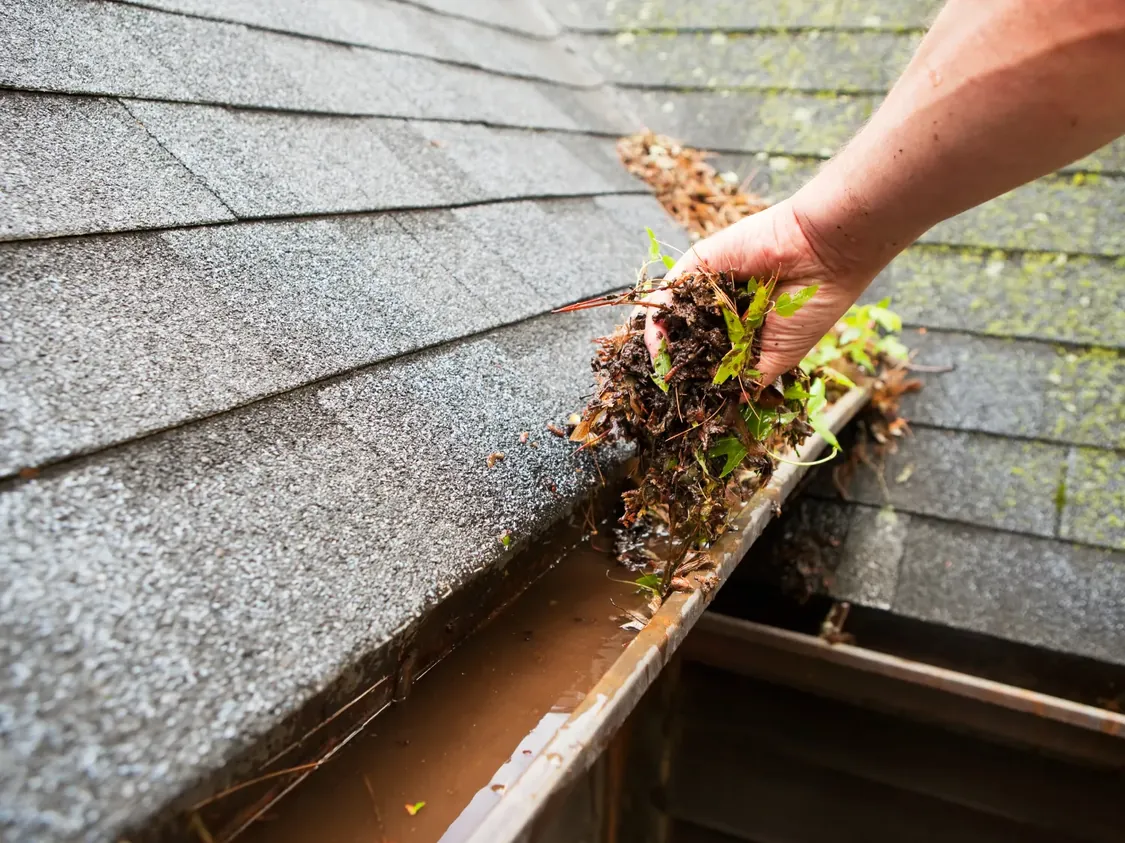
Gutter cleaning goes hand-in-hand on rural properties with heavy tree cover — blocked gutters push water back against the fascia and fuel moss growth at the eaves. For long-term upkeep, annual roof maintenance is usually the right frame.
How We Handle Roof Cleaning in Everson, Nooksack, and Sumas
Every roof is different. The approach depends on what's actually on it.
Inspect the Roof
We look at shingle condition, where moss is concentrated, what's in the valleys and gutters, and which sides of the roof are under the most pressure.
Match the Method to the Roof
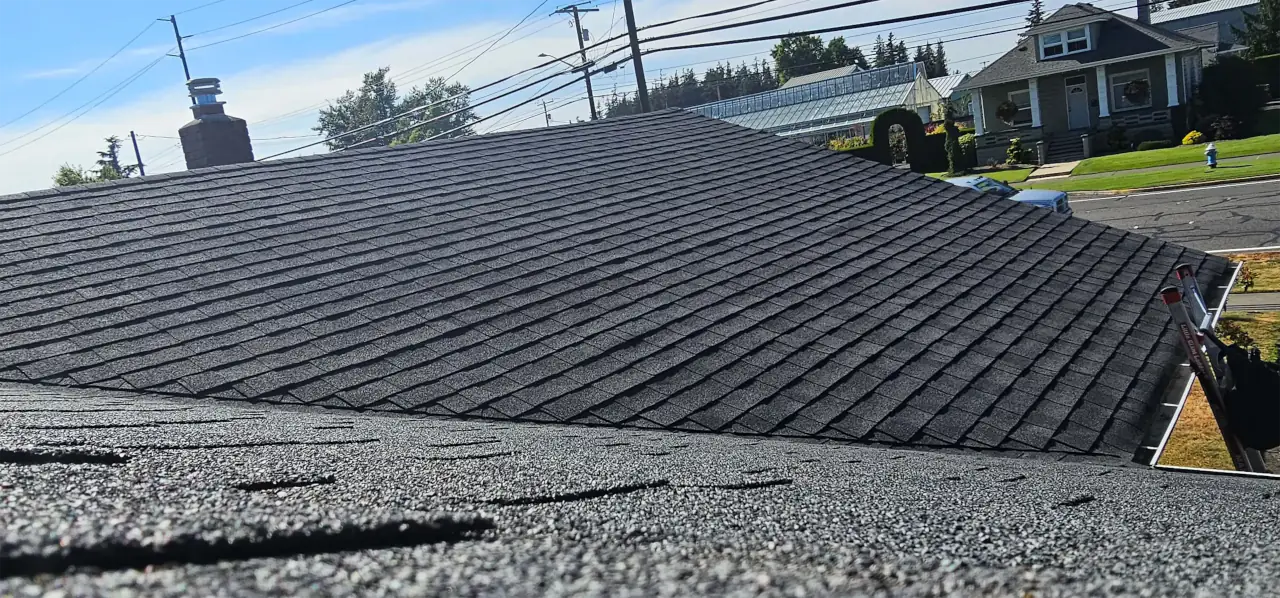
Low-pressure cleaning that clears growth without stripping granules or driving moisture under shingles. No high-pressure shortcuts — they cause the kind of damage that shows up years later.
Clear It Out
Full roof surface — valleys, ridgelines, drainage paths, shaded sections. Everything removed from the property properly. Nothing pushed into the gutters or left to wash back up the fascia.
Tell You What We Found
You'll get a straight answer on the roof's condition, what we did, and what we'd flag for the future. No upsells, no guesswork.
Serving Everson, Nooksack, Sumas & Beyond
We work the full county. See the Whatcom County overview or roof cleaning in Ferndale and Lynden.
What East County Homeowners Ask
Yes. Everson, Nooksack, and Sumas are a regular part of our rotation. Call (629) 219-8471 or request a free inspection online and we'll get out to take a look.
Shade, moisture, and organic debris — and rural east-county lots have all three in abundance. Cleaning alone doesn't change the conditions. A prevention treatment after cleaning is what meaningfully slows the regrowth cycle.
Every one to three years for most homes. Heavy tree cover and north-facing slopes push toward the shorter end. An annual inspection is the most reliable way to know where you stand.
Usually not. If the shingles are still sound, a thorough cleaning brings the roof back to a workable baseline. We'll tell you straight during the inspection whether it's still worth cleaning.
Yes, and on most rural properties it makes sense to. Roof debris ends up in the gutters — handling both together keeps drainage clear heading into the next wet season.