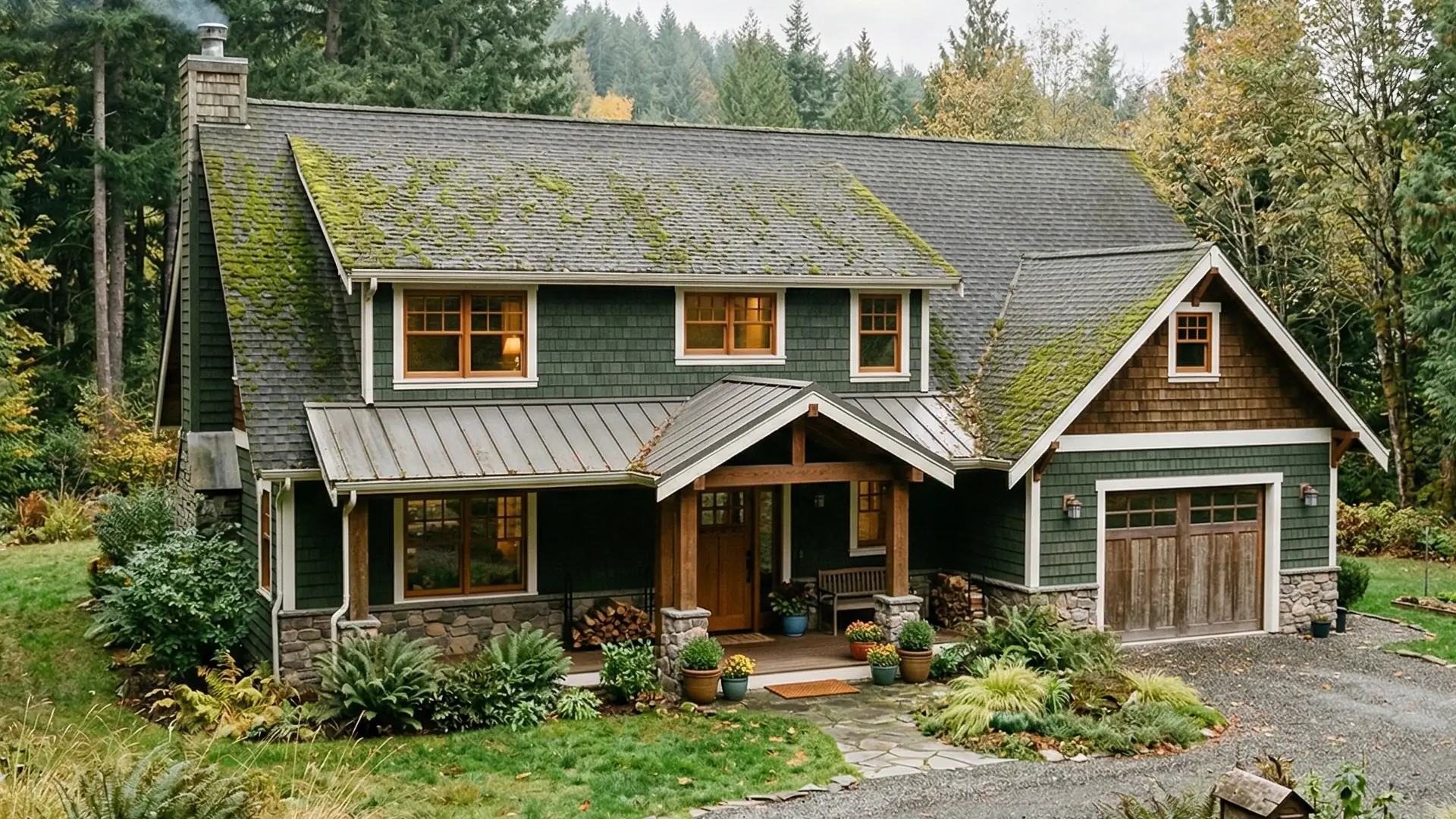
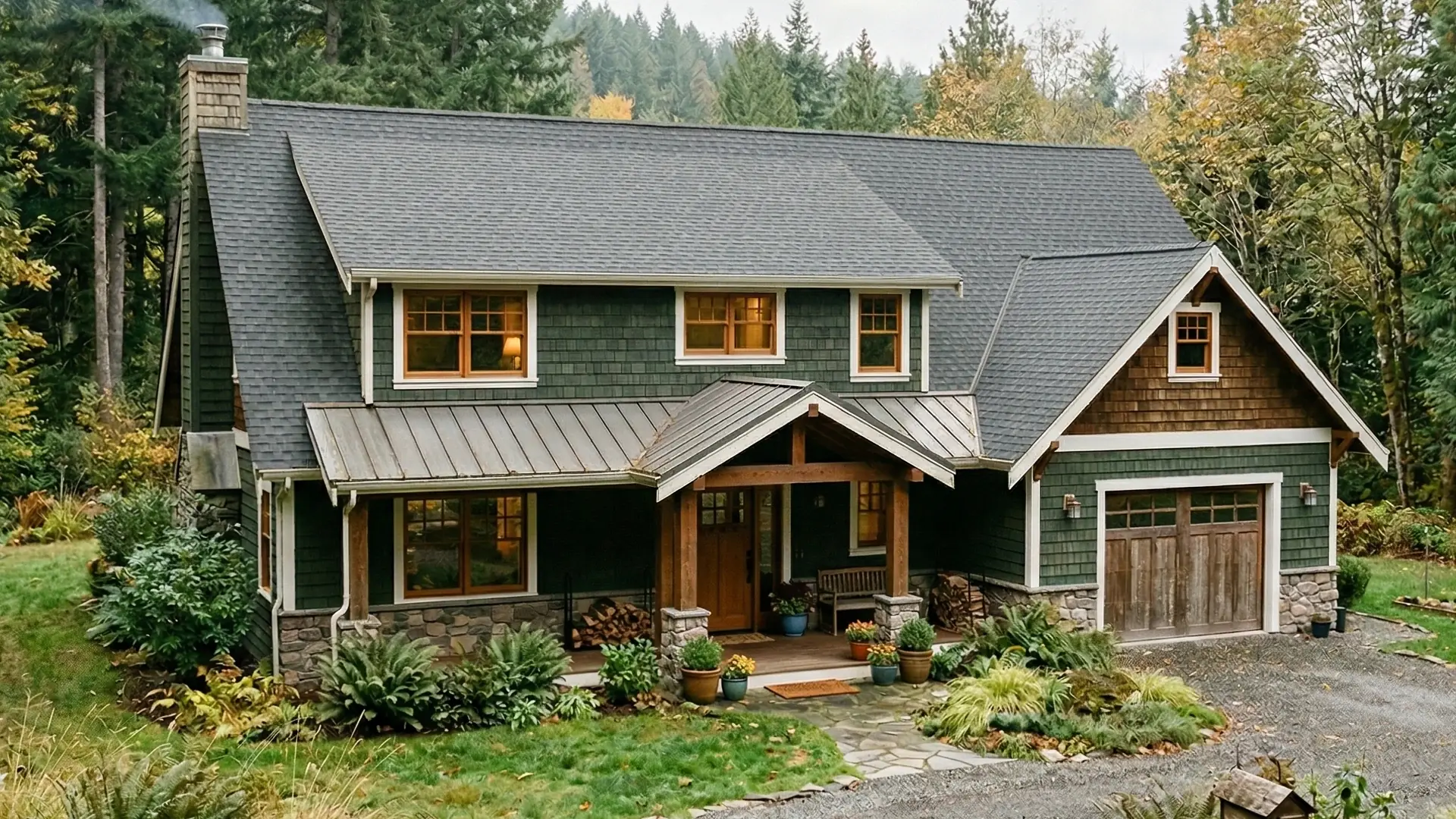
Staying Ahead of Moss Is Easier Than Cleaning It Up After the Fact.
That's What Prevention Is For.
In Whatcom County's climate, untreated roofs build up moss season by season. Prevention keeps that cycle from running your maintenance schedule.
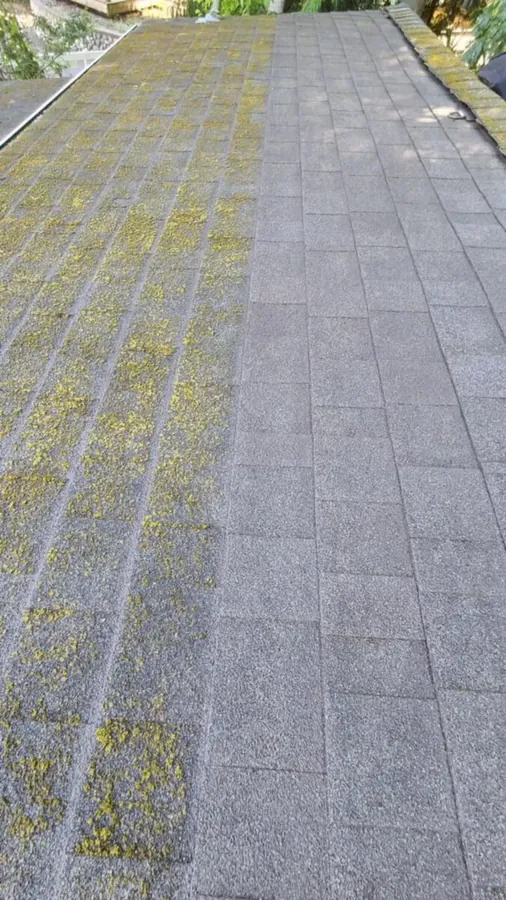
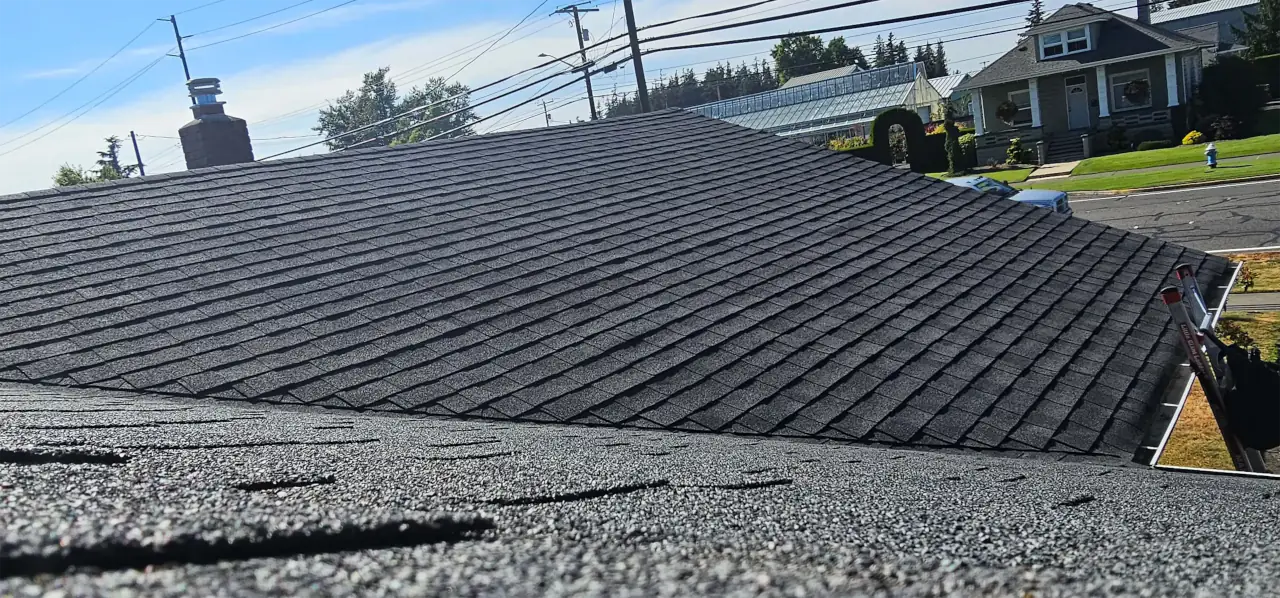
Trusted by Whatcom County homeowners
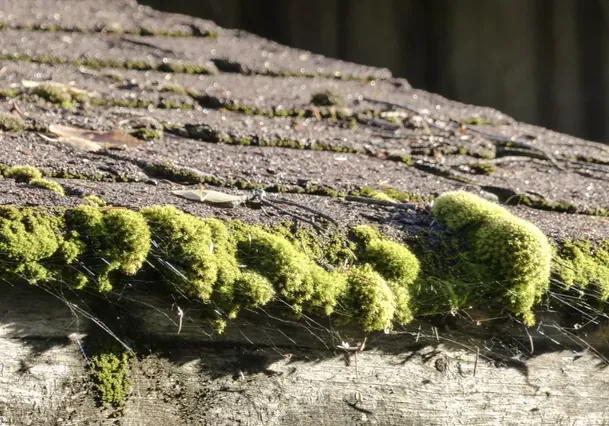
Roof Moss Prevention in Plain Terms
Most homeowners deal with moss the hard way — ignore it until it's visible, remove it, then watch it come back and do the same thing again.
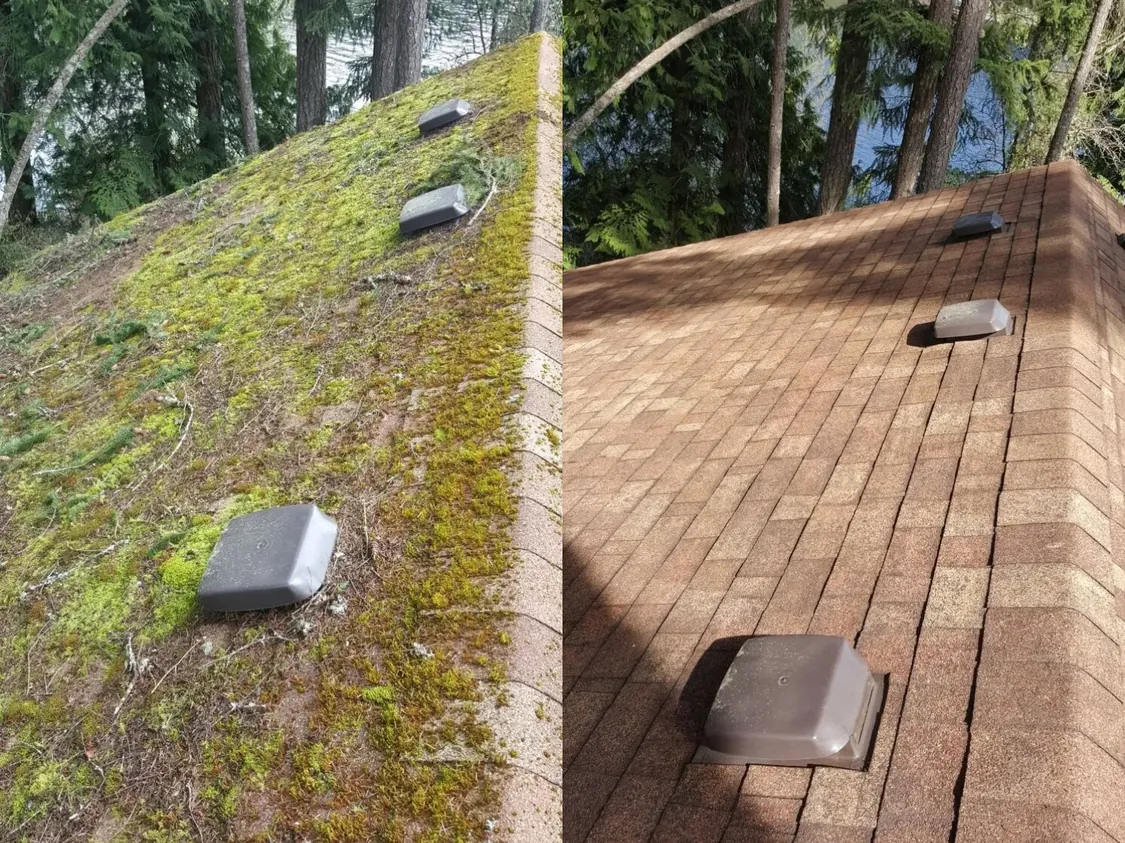
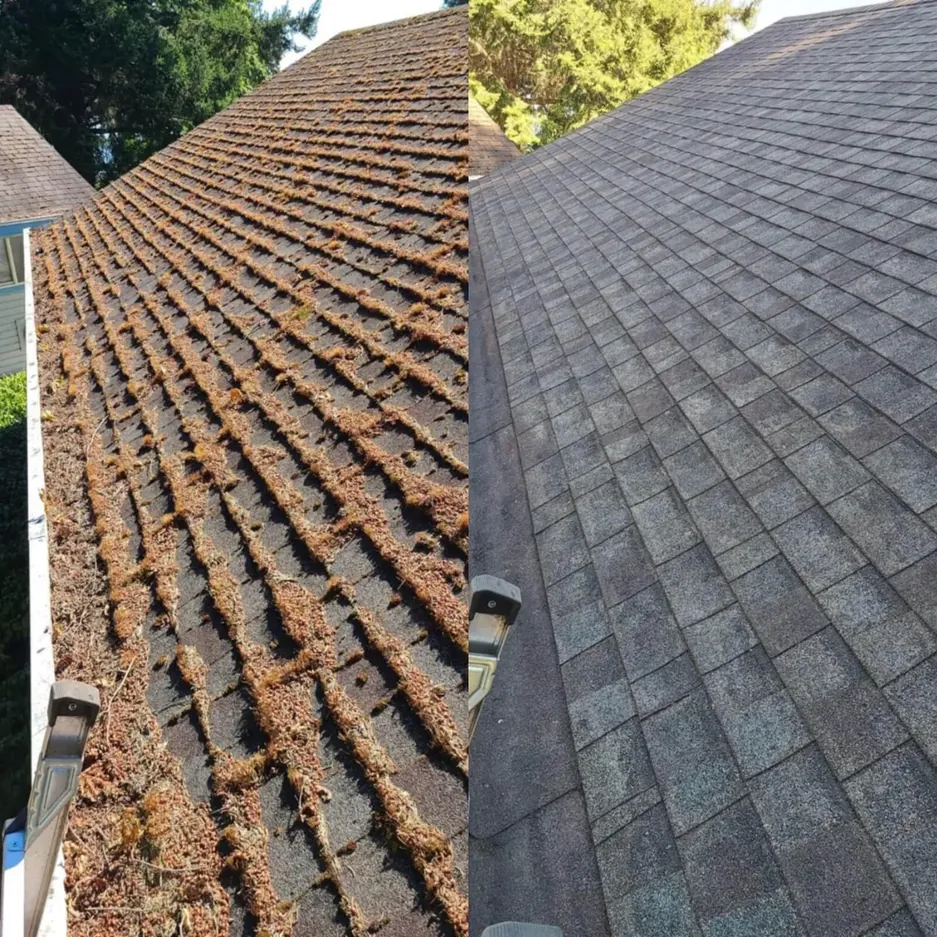
Prevention is the alternative. After a cleaning or moss removal job, a prevention treatment is applied to the freshly serviced roof to slow the return of moss and organic growth. It doesn't mean the roof will never develop moss again — the underlying conditions that cause it are still there. What it does is extend the window before moss reestablishes itself meaningfully, which makes the whole maintenance cycle less frequent and less expensive over time.
This isn't a complex service, and we're not going to oversell it. It's a practical step that makes sense after a roof cleaning or moss removal job for most roofs in this climate — particularly for homeowners who are tired of dealing with the same buildup on a short cycle. For those who want the most comprehensive approach, pairing prevention with annual roof maintenance keeps the roof monitored and in good condition year after year.
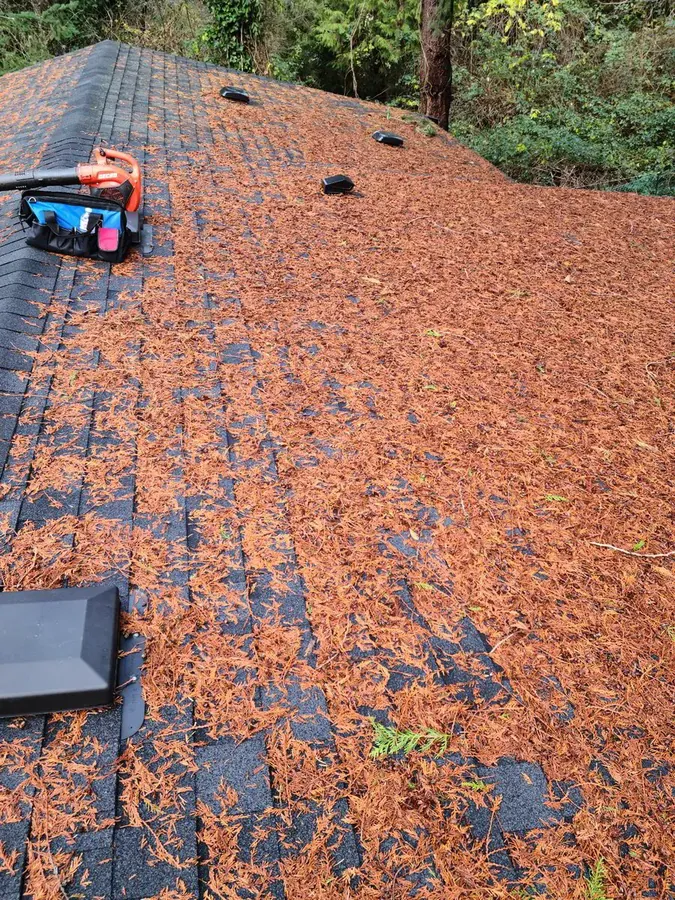
Why Staying Ahead of Moss Pays Off
Prevention isn't about perfection. It's about reducing the frequency and severity of buildup — and the cost that comes with it. Here's why it matters for roofs in this region.
Less Buildup Between Service Calls
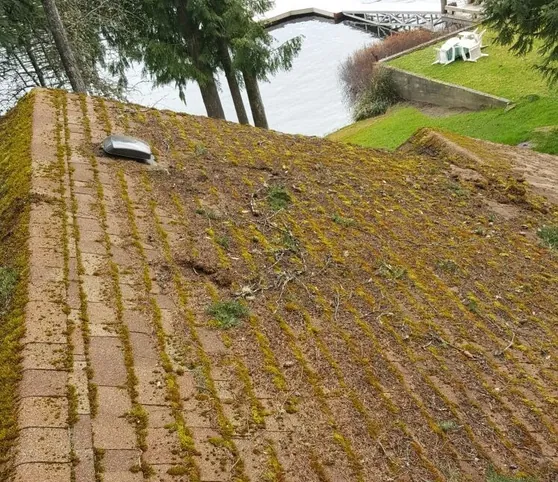
Untreated roofs in shaded, moist environments start accumulating new growth quickly after a cleaning — often within a single wet season. Prevention treatments slow that process considerably. Less buildup between calls means less work when the crew does come back, a lower overall service cost over time, and fewer situations where you're dealing with moss that's been growing longer than you realized.
Moisture Off the Surface Faster
Moss and organic buildup keep your roof wet longer than it should be after rain — creating a sustained moisture environment that wears shingles down faster than normal weathering. Reducing how quickly that growth reestablishes means your roof spends less time in that saturated state, which matters for surface durability through Washington's long wet seasons.
Smaller Problems Caught Earlier
Roofs that are on a consistent maintenance schedule — cleaned, treated, and checked periodically — are far more likely to catch developing issues before they become expensive ones. A routine inspection as part of ongoing care finds things worth knowing about while they're still manageable: early-stage growth, minor shingle issues, drainage concerns that haven't caused damage yet.
More Life Out of the Roof
Every season moss grows unchecked on a roof is a season of accelerated wear — granule loss, surface stress, sustained moisture exposure. Roofs that are consistently maintained through prevention and periodic cleaning hold up better over their full lifespan. That translates to more years before replacement becomes necessary, which is the most significant long-term benefit of this kind of service.
Who Benefits Most From Roof Moss Prevention
Prevention isn't the right fit for every situation — but for a specific type of homeowner and roof, it's the most practical option available.
Homeowners Who Just Had Moss Removed
If you've recently had a removal job done, your roof is clean and starting from a fresh baseline. That's exactly the right time to add a prevention treatment — before moss begins reestablishing rather than after it's already building back up. Prevention is significantly more effective at this stage than at any other point in the cycle.
Roofs in Shaded or High-Moisture Locations
North-facing roofs, roofs under heavy tree cover, and homes in areas with limited airflow are the fastest to re-accumulate growth after a cleaning. If your roof fits this description, prevention isn't an optional upgrade — it's the difference between a manageable maintenance schedule and constant catch-up cleaning every year.
Homeowners Who Want Fewer Service Calls
Not everyone wants to coordinate a moss removal every twelve to eighteen months. Prevention extends the clean window so you're dealing with the roof less often, on a more predictable schedule, and with a lower cost per cycle. For homeowners who want to manage their roof on their terms rather than reacting to whatever's growing on it, this is the right approach.
Anyone Focused on Long-Term Roof Care
A roof is a significant investment, and getting the full rated lifespan out of it requires more than reacting when something goes visibly wrong. Homeowners who treat the roof as something worth protecting consistently get more out of it — and prevention is one of the more practical tools available for doing that in this climate.
Cleaning Handles What's There. Prevention Slows What Comes Back.
These aren't competing services — they're two parts of the same long-term roof care approach.
Roof cleaning and moss removal are the foundation. They clear the current buildup, return the shingles to a workable baseline, and remove the active sources of damage. But cleaning alone doesn't change the conditions that caused the buildup in the first place — the climate, the shade, the direction the roof faces. Without a prevention treatment, those conditions start growing the next layer of moss well before most homeowners expect it to be back.
Prevention picks up where cleaning stops. Applied to a freshly cleaned or post-removal surface, it creates conditions that slow new growth — not indefinitely, but meaningfully. The two services used together produce a longer clean window, a more manageable maintenance cycle, and a roof that holds up better between major service calls. If you're already scheduling a cleaning, adding prevention while the crew is on-site is the most efficient way to get both done at once. For homeowners who want to understand the full cycle, our guide on how to prevent moss on a roof covers the root causes and realistic timelines.
How We Approach Roof Moss Prevention
Prevention isn't something we apply automatically to every roof. We start with what's actually there and determine what makes sense for your specific situation.
Inspect the Roof and Its Current Condition
Before anything is recommended, we look at the roof. What's already growing, what condition the shingles are in, and whether cleaning or removal needs to happen before prevention can be applied. Prevention works best on a freshly serviced surface — and we won't apply it to a roof that isn't ready for it.
Determine the Right Scope of Work
For some roofs, prevention treatment makes sense immediately after a light cleaning. For others, a full moss removal needs to come first. We'll tell you which situation you're in and what order of operations makes sense — so you're not paying for prevention on top of buildup that hasn't been addressed yet.
Apply Prevention Treatment to the Prepared Roof
Once the surface is in the right condition, we apply the prevention treatment carefully and systematically. We work based on your specific roof type and condition, explain what we're doing before we start, and make sure the application covers the areas most prone to regrowth.
Give You Practical Guidance Going Forward
When the job is complete, we walk you through what we found, what was applied, and what a realistic maintenance timeline looks like for your roof. You'll have a clear picture of where things stand and what to watch for between now and the next service call.
We Tell You What Your Roof Actually Needs — Not What Sells the Most Work
A lot of homeowners have been oversold on services that weren't right for their roof. We're not interested in that approach.
When we come out for an inspection, we look at the roof and tell you what it actually needs. If a prevention treatment makes sense for your situation — the roof is clean, the conditions are right, the climate makes regrowth a genuine concern — we'll recommend it and explain why. If something else should happen first, or if prevention isn't the right fit for what we're looking at, we'll tell you that instead. The goal is to give you accurate information so you can make a good decision about your property, not to sell a package.
Homeowners in Bellingham and Whatcom County who work with us consistently come back because the experience matches what we said it would be. We do the work carefully, communicate what we found, and help you build a roof maintenance approach that's practical for your specific situation — not a generic program that doesn't account for the conditions your roof is actually dealing with.
Roof Moss Prevention Across Bellingham and Whatcom County
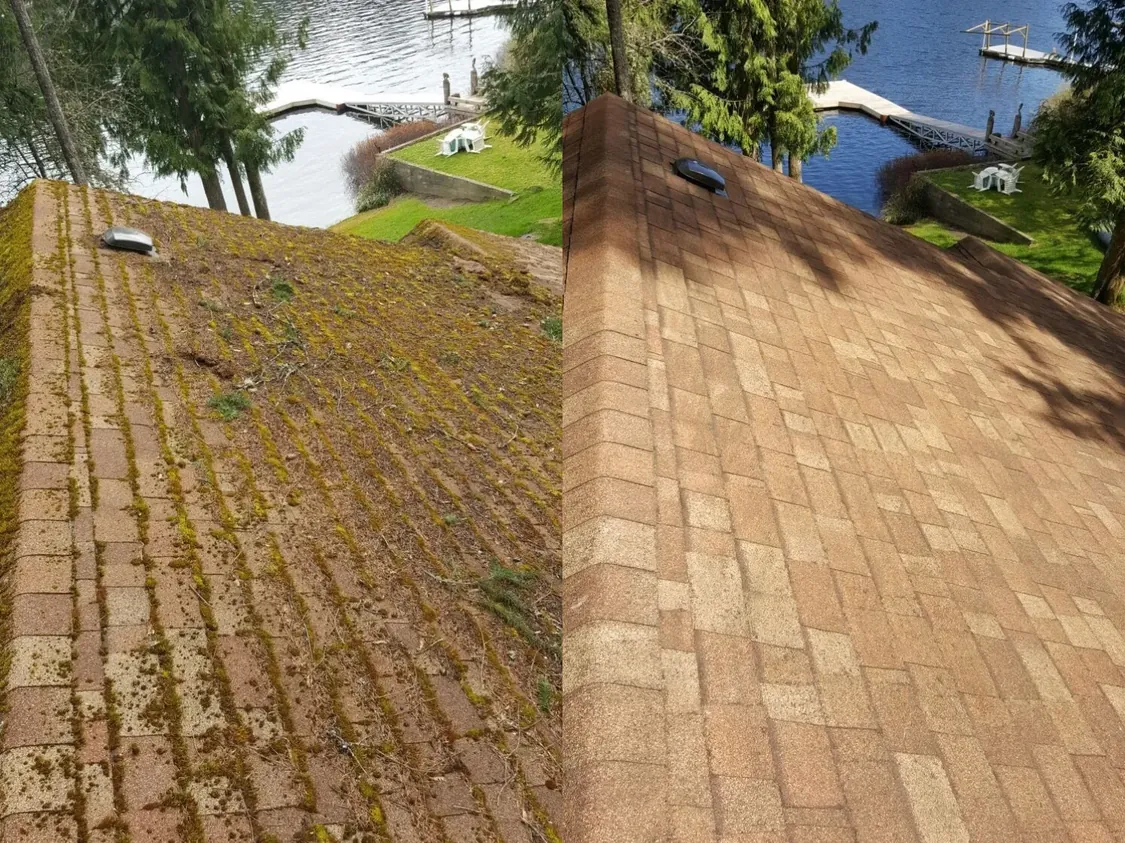
We provide prevention services throughout the region. See dedicated pages for moss prevention in Bellingham and moss prevention across Whatcom County.
Roof Moss Prevention — What Homeowners Ask
Straight answers to what we hear most often about this service.
Roof moss prevention is a service where a treatment is applied to a cleaned or freshly serviced roof to slow the return of moss and organic growth. It doesn't stop moss permanently — the underlying conditions that cause it are still there — but it meaningfully extends the window before moss reestablishes itself to a level that requires another service call. It's a practical addition to a cleaning or removal job that makes the whole maintenance cycle less frequent and less expensive over time.
For most roofs in Whatcom County's climate, yes. Removing established moss is more involved than treating a recently cleaned roof before regrowth occurs. By the time moss is clearly visible from the ground, it's been growing for a while and is already causing the kind of surface stress and moisture retention that accelerates wear. Prevention reduces both the frequency and severity of that buildup, which makes the overall maintenance cost lower over time and keeps the roof in better shape between service calls.
It can slow it substantially. Prevention treatments create surface conditions that are less hospitable to moss regrowth — they don't eliminate the underlying factors that cause moss (shade, moisture, debris), but they slow how quickly moss can establish itself on the treated surface. Combined with a thorough cleaning or removal, they extend the clean window in a way that's practical and measurable. We'll give you a realistic picture of what to expect for your specific roof when we're on-site.
Once a year is a reasonable baseline for most homes in this area, particularly those in shaded locations or with a history of fast regrowth. Even on roofs that have received a prevention treatment, an annual check-in gives you an early look at anything developing before it becomes an issue. We'll give you a more specific recommendation based on your roof's conditions after we've had a look.
Especially for those roofs, yes. Shade is one of the primary drivers of moss growth — it reduces the drying time after rain and creates the cool, moist conditions moss needs to establish. Shaded roofs rebuild moss faster than almost any other type after a cleaning, which means without prevention they're back on a short service cycle almost immediately. If your roof gets limited direct sun, prevention treatment is worth serious consideration every time a cleaning or removal job is done.
Yes. We work in Bellingham, Ferndale, Lynden, Birch Bay, and throughout Whatcom County. If you're unsure whether we cover your specific area, call us at (629) 219-8471 or submit an inspection request online and we'll confirm quickly.