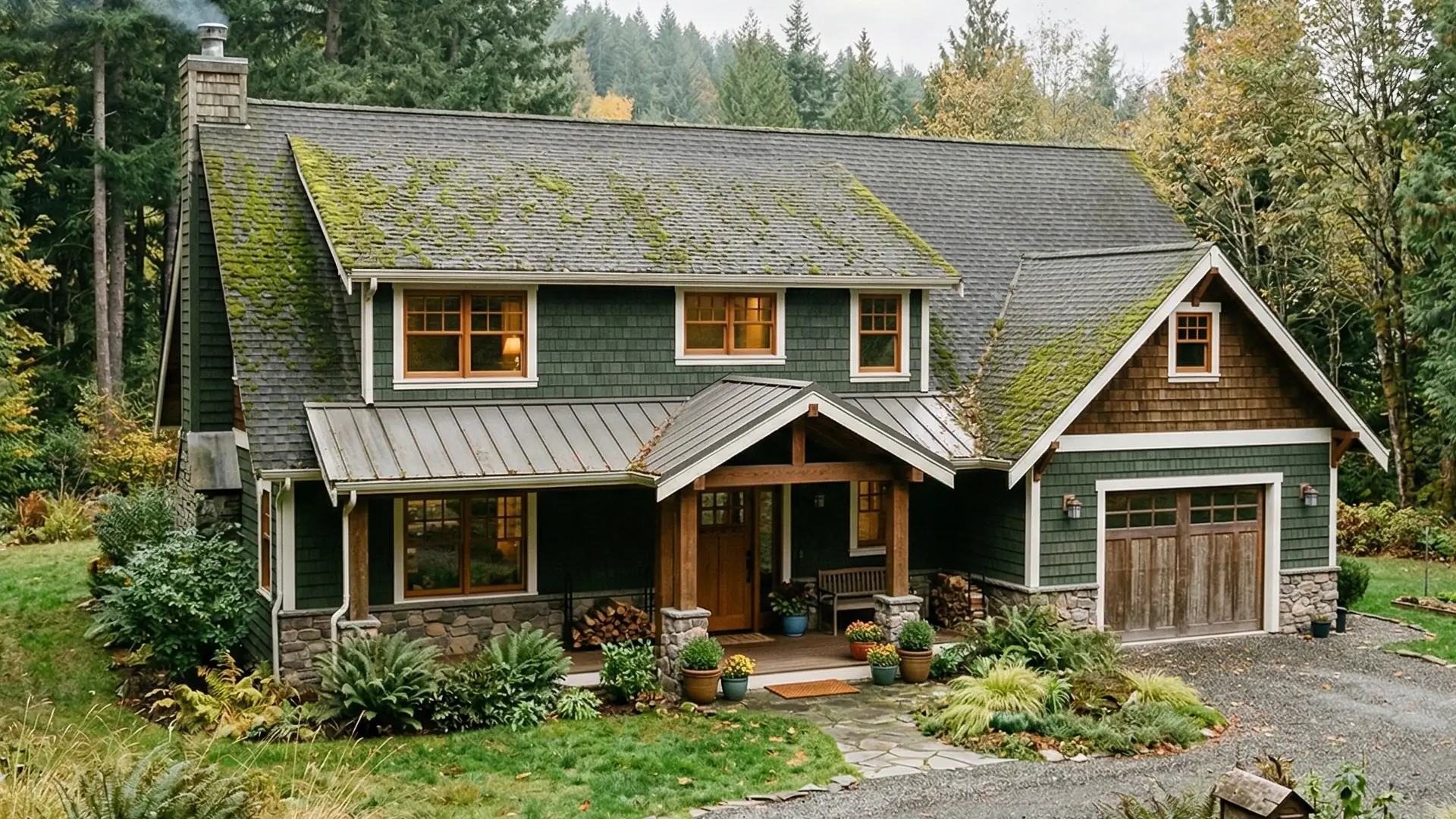
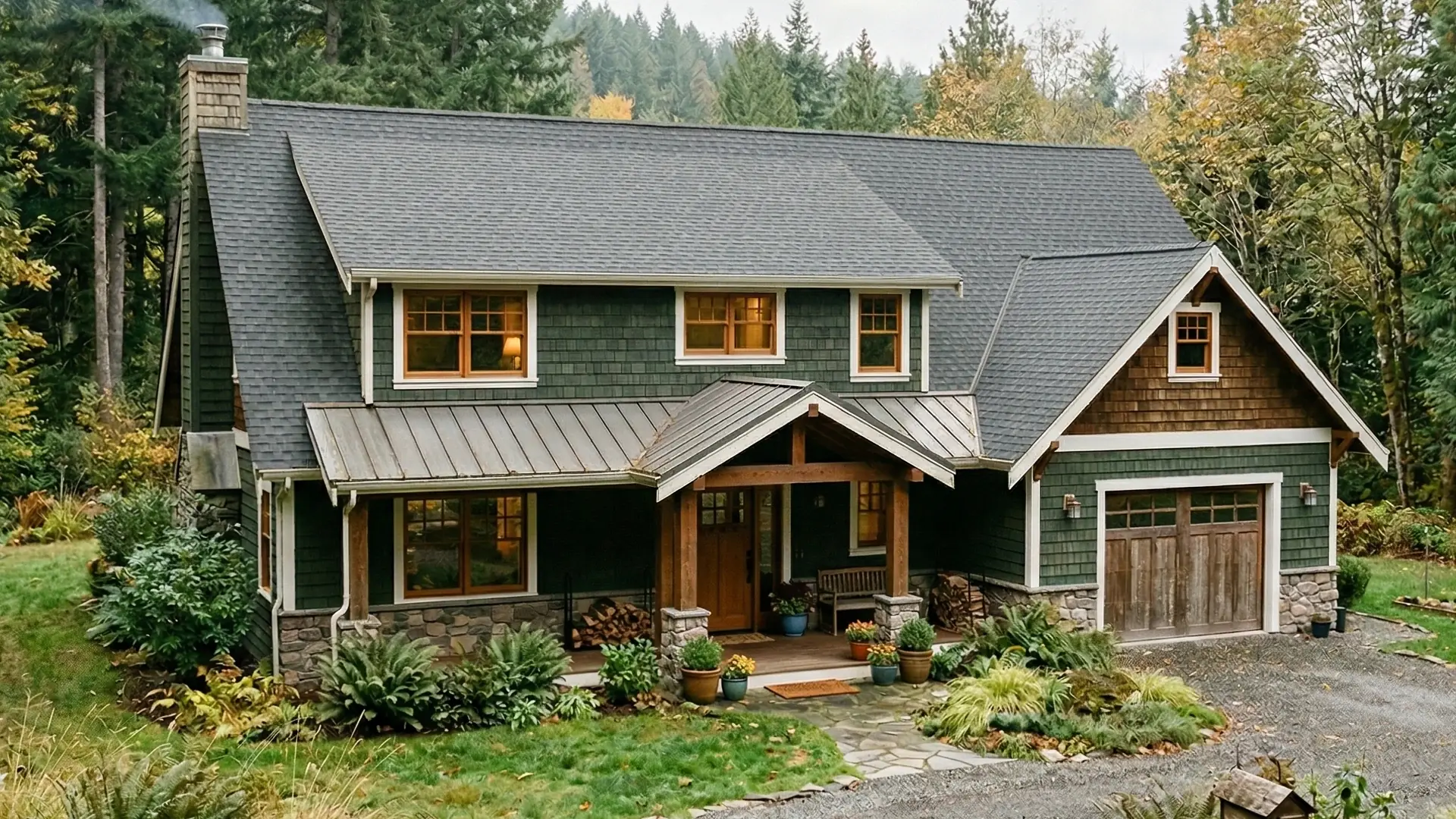
Your Roof Accumulates More Than You Think.
We Clean It the Right Way.
Moss, debris, and organic buildup hold moisture against your shingles every season. We remove it properly and help you stay ahead of the next cycle.
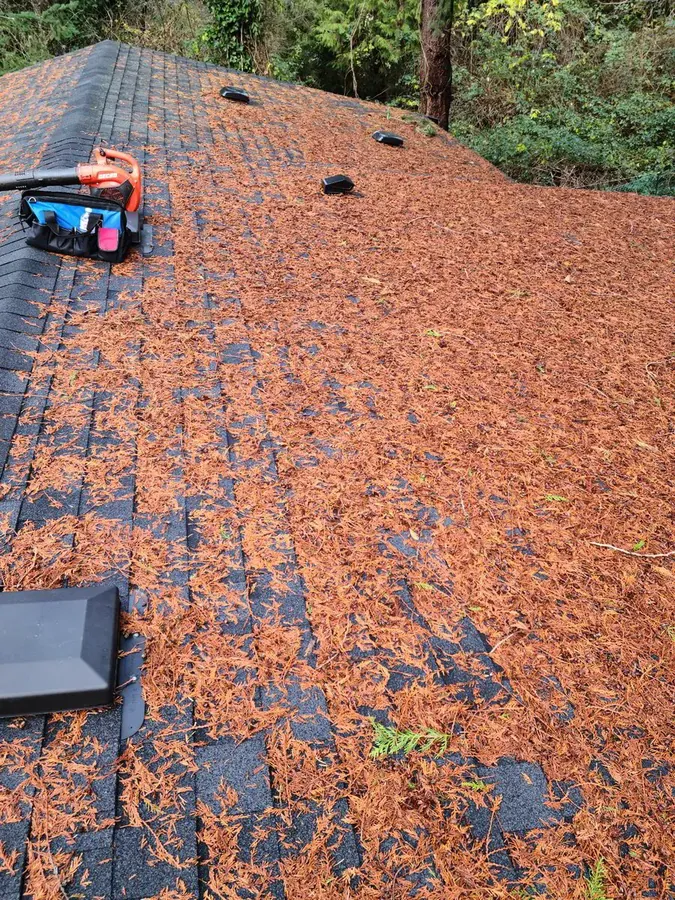
Trusted by Whatcom County homeowners
Roof Cleaning Is More Than Getting Rid of the Green Stuff
Most homeowners treat roof cleaning as a cosmetic task. It's not.
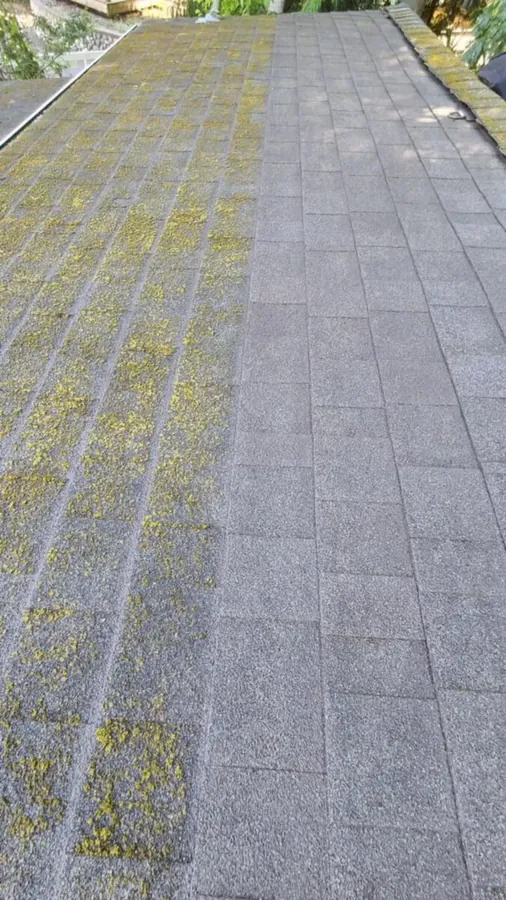
Moss, algae, debris, and organic staining that accumulates on your roof isn't just making the house look unkempt. It's creating conditions your roof material wasn't designed to handle — sustained moisture exposure, freeze-thaw cycling with material trapped against the surface, and physical stress from growth working under shingle edges. These things degrade the roof faster than normal wear would on its own.
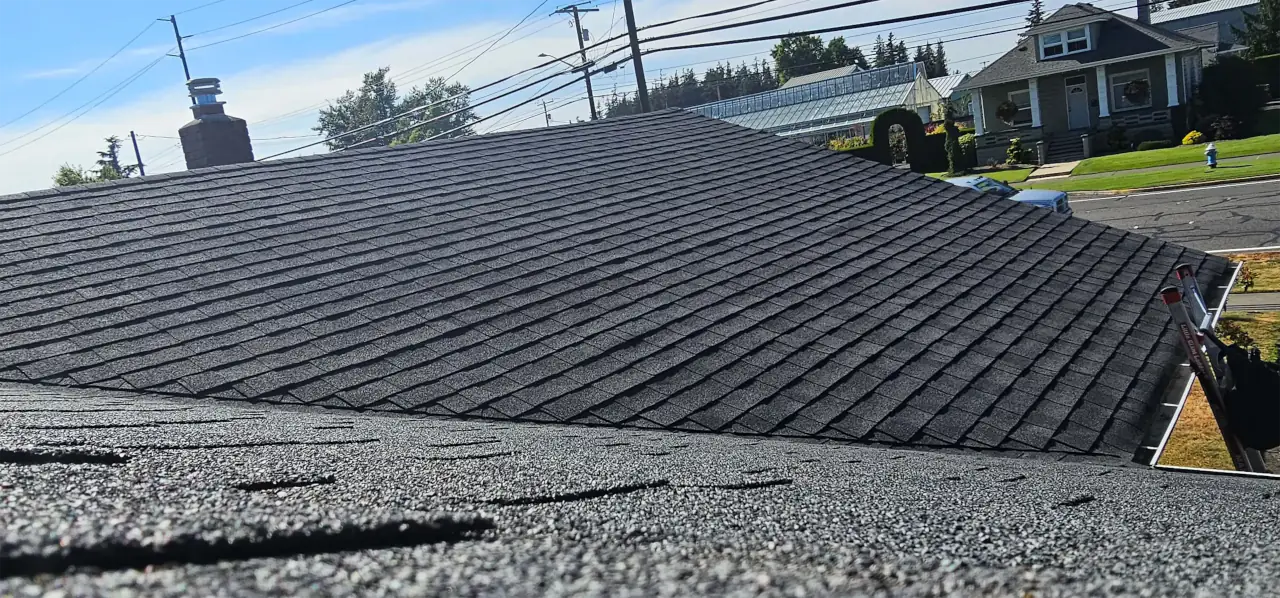
A properly cleaned roof sheds water efficiently, holds up better through wet seasons, and simply lasts longer than one left to accumulate buildup year after year. We clean what's there, communicate what we found, and help you determine whether prevention treatment or ongoing roof maintenance makes sense for your specific roof.
What Builds Up on Your Roof and Why It Matters
Roof problems rarely happen all at once. They compound through seasons. Here's what's actively happening to an uncleaned roof.
Moss & Organic Growth
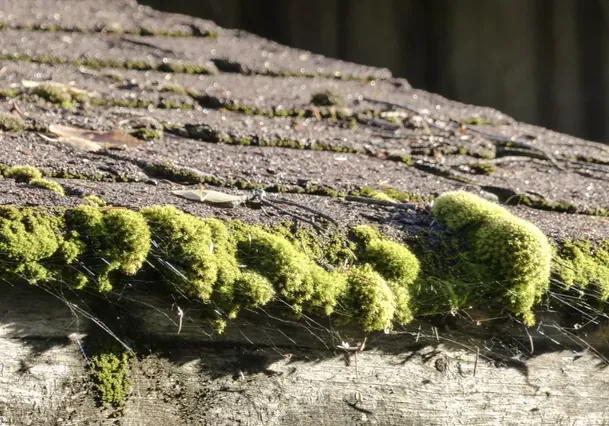
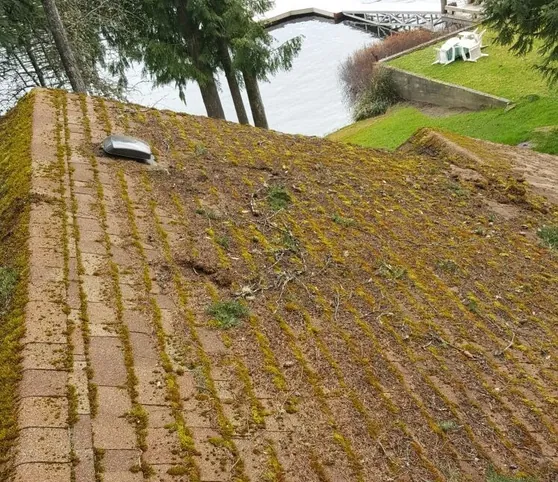
Moss is the most visible sign that the roof needs attention — and also the most damaging. It establishes itself in shingle joints and low-drainage areas, works under the shingle edges as it grows, and once rooted, keeps the surface in a chronically wet state that invites compounding damage through every rainy season.
Trapped Moisture
Every layer of moss, debris, and organic matter sitting on your shingles functions as a moisture barrier. Instead of water running cleanly off the roof, it stays — cycling through wet and dry with every rain event. That repeated saturation is what breaks down shingle material from the outside, long before any leak shows up inside.
Premature Aging
A roof covered in algae staining, moss patches, and accumulated debris ages faster than the material was rated for. The surface wear happening underneath is real — granules are displaced, shingles become brittle sooner, and the roof's ability to shed water effectively deteriorates years ahead of schedule.
Shortened Roof Lifespan
Roofs that are cleaned and maintained routinely last longer than those left to accumulate buildup unchecked. The math is straightforward: buildup accelerates the wear cycle, and a roof that could have provided another ten or fifteen years of service may need replacement significantly sooner when that maintenance is skipped.
The Reasons Homeowners Schedule Roof Cleaning
Most homeowners don't call about the roof without a reason. Here are the ones we hear most often.
Visible Moss or Staining
You can see it from the driveway, noticed it while cleaning the gutters, or spotted it from an upstairs window. Once moss or dark staining is obvious from the ground, it's been growing for longer than it looks. That's usually when homeowners decide it's time to stop waiting.
The Roof Hasn't Been Cleaned in Years
A lot of homeowners haven't touched the roof since they moved in. If it's been three or more years and the roof is in a shaded or moisture-heavy area — which describes most of Whatcom County — it almost certainly needs attention. Waiting longer just narrows the window between cleaning and something more serious.
Preparing the Home for Sale
Moss and staining on a roof come up in home inspections and can give buyers grounds to negotiate or request repairs. Having the roof cleaned before listing removes that friction and makes the home show better in photos. It's one of the higher-return things a seller can do before going to market.
Getting Ahead of Larger Costs
The most common reason by far: a homeowner who recognizes that a manageable maintenance issue becomes an expensive one if it's ignored. Roof cleaning is a small cost compared to the repairs that follow from sustained moisture damage, shingle failure, or water intrusion into the structure below.
Cleaning Solves Today's Problem. Maintenance Keeps It From Coming Back as Fast.
This is where most roof care stops short — and where staying ahead pays off.
After a thorough cleaning, your roof is back to the baseline it should have been at. But the conditions that caused the buildup in the first place haven't changed. Whatcom County's climate — the moisture, the rainfall, the tree cover that shades most residential roofs — means that an untreated roof starts accumulating growth again sooner than most homeowners expect. Getting cleaned and doing nothing after puts you back at the same problem on a shorter timeline.
Prevention treatments applied after cleaning work to slow that regrowth cycle. They're not a permanent solution — no treatment is, and any company telling you otherwise is overselling — but they extend the time between meaningful buildups in a way that's practical and worth doing. For homeowners who want to stay ahead of the maintenance rather than react to it, this is the right approach. We'll walk you through whether it makes sense for your specific roof when we're on-site. If you're also dealing with established moss that needs targeted removal before prevention is applied, we handle that as well.
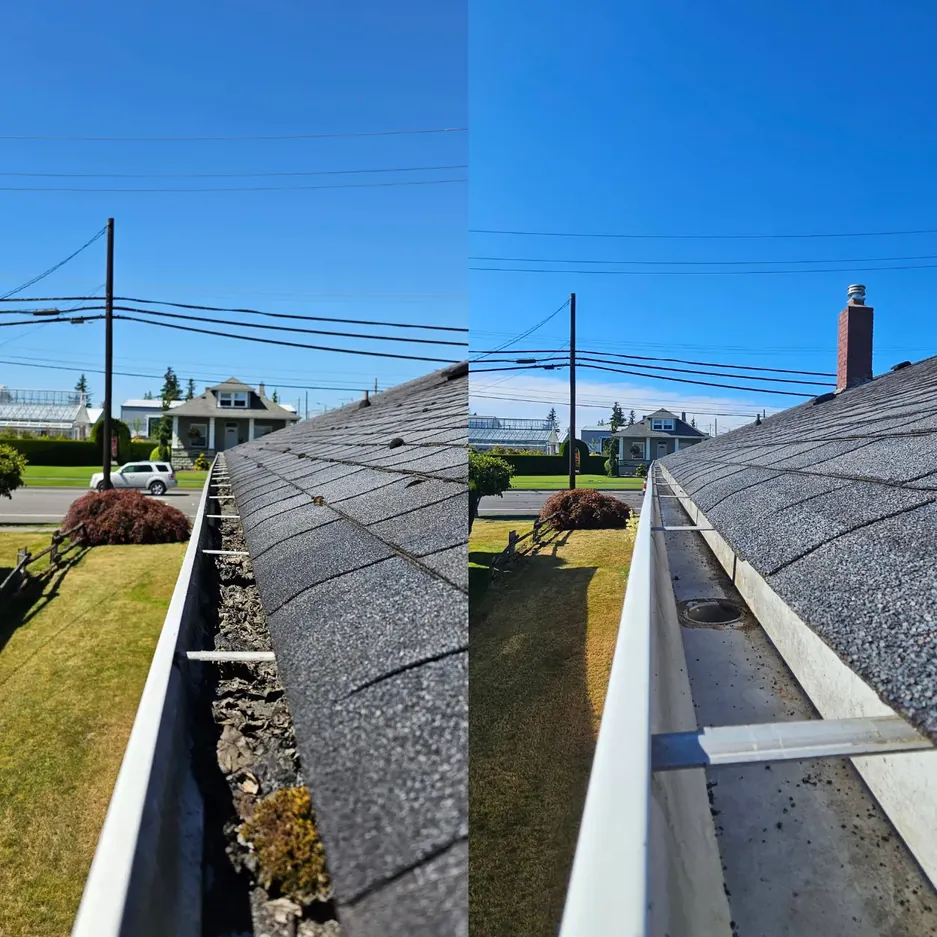
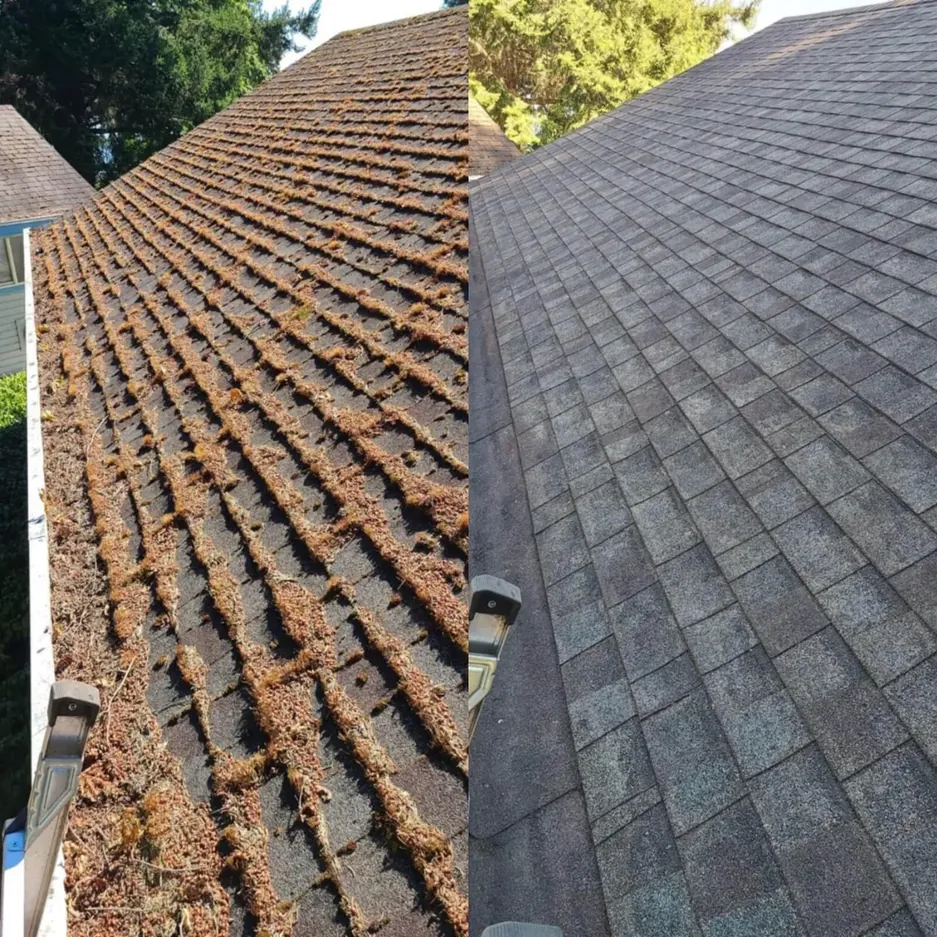
How We Handle Roof Cleaning
We don't start with a method and apply it to every job. We look at the roof first, then determine what it needs.
Inspect Before Touching Anything
Every roof is different. Before we remove or apply anything, we assess what's on the surface, what condition the shingles are in, and where the buildup is concentrated. What we find determines everything that comes after — there's no honest way to skip this step.
Clean Based on What's There
The right cleaning method depends on the roof type, the age of the shingles, and the nature of the buildup. We use the approach that clears the material without causing additional damage in the process — which rules out aggressive methods that work fast but shorten the life of the surface they're cleaning.
Remove Debris and Growth Carefully
Moss, organic material, and loose debris are cleared systematically without pushing material under shingles or into drainage points. We work the full roof so nothing is missed and nothing gets relocated somewhere it causes a new problem.
Clean Up and Give You a Straight Summary
When the job is done, we clear debris from the roof and gutters and give you a direct account of what we found, what we did, and what — if anything — we'd suggest monitoring or addressing going forward. You leave the conversation knowing the actual condition of your roof.
Why Homeowners in Whatcom County Call Us Back
We're not trying to be the cheapest option or the fastest one. We're trying to do the work correctly.
We come out, look at the roof, and give you an honest picture of what's there. If the roof is in bad shape and needs more than a cleaning, we'll tell you that. If it just needs a standard cleaning and a follow-up check in a couple of years, we'll tell you that instead. The goal is to give you accurate information so you can make a sound decision about your own property — not to talk you into a scope of work you don't need.
Shortcuts in roof cleaning tend to show up later, in the form of faster regrowth, missed areas, or damage from overly aggressive methods. We take the time to do it right the first time, clean up properly when we're done, and follow up if questions come up after the job. That's what keeps homeowners across Bellingham and Whatcom County coming back.
Roof Cleaning in Bellingham and Throughout Whatcom County
We clean roofs across the full region. See our dedicated pages for roof cleaning in Bellingham and roof cleaning throughout Whatcom County.
Roof Cleaning — What Homeowners Ask
Straight answers to the questions we hear most often.
Yes, for most roofs in this climate. The cost of a professional cleaning is significantly lower than repairing the damage that prolonged buildup causes — lifted shingles, moisture intrusion into the underlayment, and accelerated surface wear all get more expensive the longer they're ignored. Cleaning extends the life of your current roof, which is a straightforward return on a manageable cost.
It depends on your roof's specific conditions — how much shade it gets, its slope, which direction it faces, and how much rainfall it collects. In Whatcom County, where both moisture and shade are significant factors for most homes, a cleaning every one to three years is a reasonable benchmark. Roofs that receive a prevention treatment after cleaning can often extend that window. We can give you a better estimate after we've seen the roof.
It can. Moss isn't just resting on top of your shingles — it grows into the joints between them, lifts the edges, and holds moisture against the surface through extended wet periods. That combination of physical stress and sustained moisture retention causes real, compounding damage over time. The longer moss is left in place, the more difficult and expensive the situation it creates becomes.
Yes. We work throughout the region — Bellingham, Ferndale, Lynden, Birch Bay, and surrounding communities. See our full Whatcom County roof cleaning page for details on coverage and the conditions that drive buildup across the region. If you're unsure whether we cover your specific area, give us a call at (629) 219-8471 or request an inspection online and we'll confirm quickly.
Moss removal is specifically focused on eliminating established moss growth — including the root structures that attach to and grow under shingles. Roof cleaning is a broader service that addresses the full surface: moss, algae, organic staining, accumulated debris, and general buildup. On many roofs, the two work together. We assess what's there and recommend the right scope for each job rather than defaulting to one blanket approach.
Cleaning removes what's currently there. Post-cleaning prevention treatments can slow how quickly moss and organic growth return. The two together — a thorough cleaning followed by a prevention treatment — give you the longest clean window and reduce the frequency of full-service calls. For a deeper look at why moss keeps coming back and what to do about it, see our guide on preventing moss on a roof. We can discuss whether it's the right fit for your roof when we're on-site.