A lot of homeowners wonder whether roof cleaning actually helps the roof last longer or if it is just another maintenance service people recommend by default. The honest answer is that roof cleaning is not a cure-all, but it can absolutely help reduce the kind of buildup and moisture exposure that quietly shorten a roof's life over time. In a damp area like Whatcom County, that makes it a practical part of long-term roof care.
Roof cleaning is sometimes treated like an optional appearance service, but that misses the bigger point. A roof does not only wear out from dramatic storm damage or sudden leaks. In many cases, it wears down gradually through neglect, trapped moisture, organic buildup, and years of conditions that keep the materials under constant stress.
That is where roof cleaning comes in. It is not magic, and it does not reverse age or repair structural roofing issues. What it can do is remove the buildup that makes the roof stay wetter longer and work harder than it should. For homeowners trying to protect the life of their roof, that matters.
Roof cleaning does not make a roof last forever
It helps to start with the honest version. Roof cleaning is not a guarantee that a roof will reach some perfect lifespan. Every roof is affected by age, weather exposure, installation quality, materials, and general wear over time. Cleaning does not change all of that.
What cleaning does is reduce avoidable stress. If moss, leaves, pine needles, and organic buildup are allowed to sit on the roof year after year, they create conditions that can add more moisture and more wear than necessary. Cleaning removes those conditions before they have as much time to compound.
So the right way to think about it is not that roof cleaning adds years by itself in some dramatic way. It helps by reducing the kind of neglect that can shorten roof life faster.
Trapped moisture is the real issue
A lot of homeowners focus on what they can see from the ground. Green moss, dark staining, dirty streaks, and debris piles are the obvious visual signs. But the bigger issue is what that material is doing while it sits on the roof. In many cases, it is holding moisture against the roof surface and slowing down normal drying.
That matters because roofs are built to shed water, not hold it. When organic growth and debris keep sections of the roof damp for longer stretches, the materials are exposed to a harsher environment than they should be. Over time, that repeated moisture exposure can contribute to wear in ways that would not happen as quickly on a cleaner, drier surface.
This is one of the biggest reasons roof cleaning can help preserve roof life. It reduces the buildup that interferes with proper drying.
Moss is one of the clearest examples
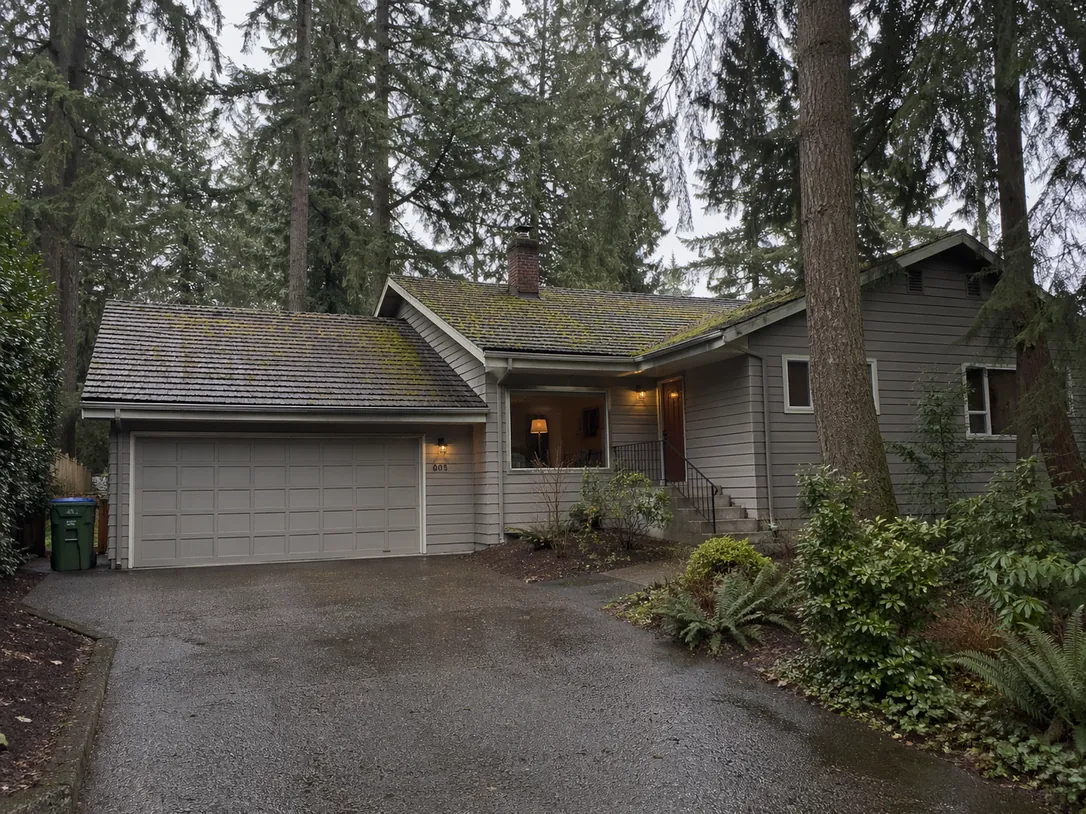
Moss is not just ugly. It is one of the most obvious signs that a roof is staying damp enough to support growth. Once it is established, moss holds moisture and creates a thicker layer of organic material on top of the roof. That can make the surrounding area stay wet even longer.
In a place like Whatcom County, where roofs already deal with regular moisture, that is a problem worth taking seriously. Moss does not usually stay small forever. It spreads when the conditions support it, and if it is ignored long enough, the roof ends up carrying more moisture and more buildup with every passing season.
That is why roof moss removal matters within the broader roof cleaning conversation. Removing moss is not just about appearance. It is about interrupting one of the most common moisture-holding conditions a roof can develop.
Debris buildup creates the same kind of wear problem
Even when moss is not the main issue, roof debris can create similar trouble. Pine needles, leaves, and small branches often collect in valleys, around transitions, and near lower roof sections. Once they settle in, they hold moisture against the roof and slow airflow across the surface.
That kind of buildup is easy to underestimate because it can look minor from a distance. But a roof that repeatedly holds damp debris is still dealing with the same larger issue: moisture staying where it should not. Over time, that can contribute to conditions that are harder on roofing materials than a cleaner roof would be.
Roof cleaning helps by removing that debris before it sits long enough to become a more serious maintenance issue.
Drainage plays a role too
Roof life is not only about the upper surface. It is also about how well the whole roofline handles water. If debris from the roof is washing into the gutters and clogging the drainage system, the roof edge can end up dealing with more moisture exposure than it should.
That is one reason gutter cleaning often belongs in the same conversation. A roof may get cleaned, but if the gutters stay packed and runoff cannot move away properly, part of the moisture problem is still there. The roof and gutter system work together, and both affect how well the home sheds water over time.
When homeowners think about extending roof life, it helps to think in terms of the whole roofline, not just one visible section.
Cleaning early works better than waiting too long
One of the biggest mistakes homeowners make is waiting until the roof looks severely overgrown before taking action. By then, moss may be thicker, debris may be packed into multiple roof areas, and the gutters may already be loaded with runoff. That is usually the point where maintenance becomes a bigger cleanup job.
From a roof-life standpoint, that is not ideal. The longer buildup sits there, the longer it has to create moisture-heavy conditions. Cleaning earlier is usually the better move because it reduces how long the roof spends under that extra stress.
This is why roof cleaning is best understood as maintenance, not rescue work. The goal is to deal with buildup before it has years to keep wearing on the roof.
Annual maintenance usually makes more sense than long gaps
For many homes in Whatcom County, the smarter strategy is not waiting a decade between major cleanups. It is paying attention to the roof regularly and using annual roof maintenance to keep moss, debris, and moisture from getting out of hand.
That does not mean every roof needs the same schedule. Some homes with more sun exposure and less tree cover may go longer between deeper cleanings. Others, especially shaded properties with heavy debris load, may benefit from more consistent roof attention and prevention-focused care.
The key point is that roof life is usually protected better by steady maintenance than by long periods of neglect followed by one large cleanup. Smaller, timely interventions are often the more practical approach.
Roof cleaning supports roof life by reducing avoidable wear
The most accurate way to answer the question is this: roof cleaning can help extend the life of a roof because it reduces avoidable buildup, trapped moisture, and long-term neglect. It does not make the roof new again, and it does not fix underlying roofing defects. But it does help remove conditions that can quietly make the roof age harder and faster.
That makes roof cleaning one of the simplest forms of preventive roof care. It is not flashy, but it is practical. Homeowners who stay ahead of moss and debris are usually giving their roofs a better environment than homeowners who let growth and buildup sit there year after year.
For a damp local climate, that kind of basic maintenance is a sensible way to help protect the investment sitting on top of the house. Contact us if you want an honest look at your roof and a straightforward plan to keep it in better shape.
Roof cleaning is not a miracle fix, but it can help extend the life of your roof by reducing moss, debris, trapped moisture, and the kind of neglect that speeds up wear over time. In Whatcom County, that makes it a practical part of long-term roof care. The main goal is simple: keep unnecessary buildup off the roof before it has years to do damage.
Thinking about your roof?
Free inspections across Bellingham and Whatcom County. No pressure, no hard sell — just an honest look at what your roof needs.
Request a Free Inspection