A lot of homeowners treat roof care like something you do once the problem gets obvious. That usually means waiting years, then dealing with a roof that has heavy moss, packed debris, and clogged gutters all at once. The better approach is simpler: annual roof maintenance helps keep the roof under control before it turns into a much bigger cleanup.
Most homeowners do not think about their roof until it starts looking rough. That is understandable. The roof is out of sight, and unless there is an active leak or obvious moss growth, it is easy to assume everything is fine. The problem is that roof neglect usually builds slowly, and by the time the roof looks bad from the ground, the cleanup is often much bigger than it needed to be.
That is why annual roof maintenance makes more sense than waiting a decade. Large cleanups still have their place, especially when a roof has already been ignored for years. But as a long-term strategy, they are usually the expensive version of roof care. A roof that gets regular attention is easier to manage than a roof that gets abandoned until the buildup becomes impossible to ignore.
Big cleanups solve the mess, but not the pattern
When a roof has heavy moss, thick debris buildup, and clogged gutters, a major cleanup can be necessary. It handles the immediate problem and gets the roof back into better condition. But it does not automatically change the pattern that allowed the roof to get that bad in the first place.
If the same roof goes right back to sitting under tree cover, holding moisture, collecting debris, and growing moss year after year, the problem usually returns. Maybe not all at once, but gradually. That is why waiting for another major cleanup is rarely the best long-term plan. It means repeating the same cycle instead of managing it earlier.
Annual maintenance is meant to break that cycle. Instead of waiting until the roof is overwhelmed again, it helps homeowners stay ahead of the buildup while it is still manageable.
Roof problems usually grow slowly, not all at once
One reason homeowners wait so long is that roof problems are gradual. Moss starts in patches. Debris collects a little at a time. Gutters slowly fill with runoff. The roof begins staying damp longer in certain areas, but nothing seems dramatic enough to demand immediate action.
That slow buildup is exactly why annual maintenance works. It catches the roof before small issues become big ones. A little moss is easier to deal with than thick overgrowth. Light debris is easier to manage than packed valleys and clogged drainage lines. Minor recurring buildup is easier to control than a roof that has been carrying moisture-heavy material for years.
Waiting ten years usually means dealing with all of those smaller problems after they have had plenty of time to combine into one large one.
Annual maintenance keeps buildup from becoming the main story
The value of annual roof maintenance is not that it makes the roof perfect all the time. The value is that it keeps buildup from taking over. Instead of letting moss, leaves, needles, and organic growth become the main condition of the roof, maintenance keeps those issues from getting too far ahead.
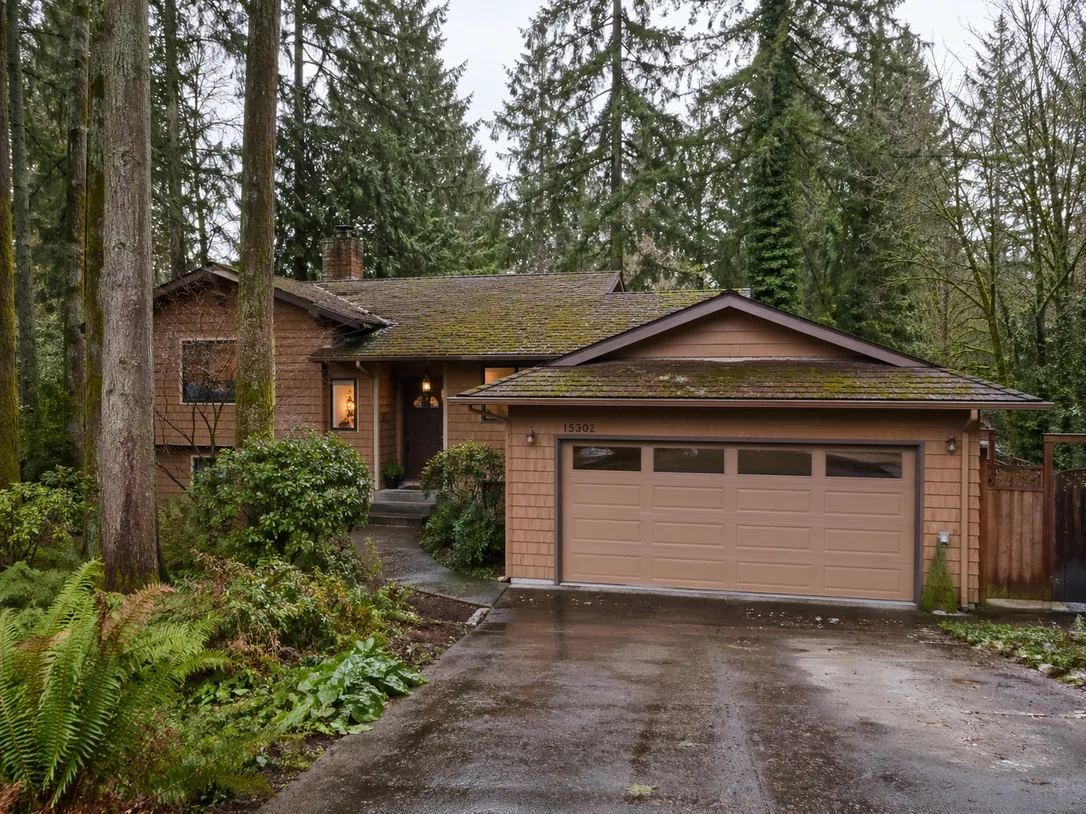
That is especially important in Whatcom County, where damp weather, shade, and tree cover create a roof environment that already favors repeat buildup. Homes here do not usually benefit from a long stretch of total neglect followed by one major reset. They benefit more from regular roof care that keeps conditions under control.
That kind of consistency is what turns roof care from a cleanup problem into a maintenance habit.
It is usually the more practical option for homeowners
Most homeowners are not looking for the most dramatic roof service. They want the most sensible one. Annual roof maintenance makes sense because it gives the roof regular attention without waiting for the worst-case version of the problem to develop.
It also makes roof care more predictable. Instead of wondering how bad the roof may have gotten after years of inattention, homeowners can keep tabs on the condition of the roof and deal with changes before they become major issues. That is a more stable way to manage something as important as the surface protecting the house.
For many properties, especially those near trees or in heavy shade, that practical consistency is a better fit than large, infrequent cleanups.
Moss prevention works better when it is part of a maintenance plan
One of the clearest reasons annual maintenance makes sense is moss. Moss is not usually a one-time event in this area. If a roof has the conditions moss likes, damp shade, slow drying, and debris buildup, it will often keep returning unless there is some kind of prevention-focused roof care in place.
A major cleanup may remove the current moss, but maintenance helps reduce how quickly it comes back. That is the difference between reacting to visible growth and actually staying ahead of it. For homeowners who have dealt with moss before, that difference matters.
Cleaning handles what is already there. Prevention and maintenance help keep the roof from sliding right back into the same condition again.
Gutters are part of the same equation
Annual roof maintenance also makes sense because the roof and gutters affect each other. Roof debris ends up in the gutters, and clogged gutters create drainage problems that can keep parts of the roofline wetter than they should be. If both parts of the system are left alone for years, the whole roofline becomes harder to manage.
With annual maintenance, gutter issues can be handled before they become overflow problems. Debris can be cleared before it has months or years to accumulate. That supports better drainage and helps the roof dry more normally between wet periods.
Again, the goal is not perfection. It is keeping the roofline from getting buried in avoidable buildup and moisture trouble.
Long gaps usually create heavier cleanup work
There is a reason waiting ten years sounds simple in theory but often works poorly in practice. A lot can build up over that amount of time. Moss can spread. Debris can collect season after season. Gutters can back up repeatedly. Lower roof sections and shaded slopes can stay damp for long stretches without anyone addressing the pattern.
By the time the roof finally gets attention, the cleanup is larger because the neglect lasted longer. That is what makes long gaps inefficient. They allow manageable problems to stack up into one heavier service need.
Annual maintenance is usually the opposite. It breaks the buildup cycle into smaller, more manageable pieces and keeps the roof from drifting too far off course.
The smartest roof care plan is usually the one that stays ahead
Homeowners do not need to obsess over their roof every month. But they also do not need to ignore it for a decade and hope for the best. The smarter middle ground is regular maintenance that fits how the property behaves. For some homes, that may mean annual service. For others with more difficult conditions, it may mean even more attention.
The bigger point is that staying ahead usually works better than falling behind. Roof cleaning has more value when it happens before the roof is overwhelmed. Moss prevention works better when it supports a recurring maintenance plan. Gutter cleaning works better when it keeps drainage moving before overflow becomes the visible symptom.
That is why annual roof maintenance makes sense. It is a practical way to keep the roof from turning into a larger problem every few years. Get in touch if you want to put a maintenance plan in place that fits your property and keeps the roof from falling behind.
Major cleanups fix the mess once it has built up, but annual roof maintenance helps stop the roof from getting back to that point in the first place. For homeowners in Whatcom County, that is usually the more practical and less reactive way to manage moss, debris, and moisture over time. The goal is simple: stay ahead of the buildup instead of waiting until the roof looks buried in it.
Thinking about your roof?
Free inspections across Bellingham and Whatcom County. No pressure, no hard sell — just an honest look at what your roof needs.
Request a Free Inspection