Most roofs do not go from clean to major problem overnight. In most cases, there are warning signs along the way. The trick is noticing them early enough to do something about them before moss, debris, and trapped moisture turn a manageable issue into a much bigger cleanup.
A lot of homeowners do not think about roof cleaning until the roof looks obviously bad from the street. By that point, the buildup has usually been developing for a while. Moss does not appear in one day, and gutters do not clog all at once. Most roof problems build gradually, which means the roof often gives you signs before the situation gets more serious.
Knowing those signs can help you act earlier. That matters because early cleanup is usually simpler, less expensive, and easier to manage than waiting until the roof is heavily covered in moss and debris. In Whatcom County, where moisture and tree cover already work against the roof, catching buildup early makes even more sense.
Visible moss is the clearest warning sign
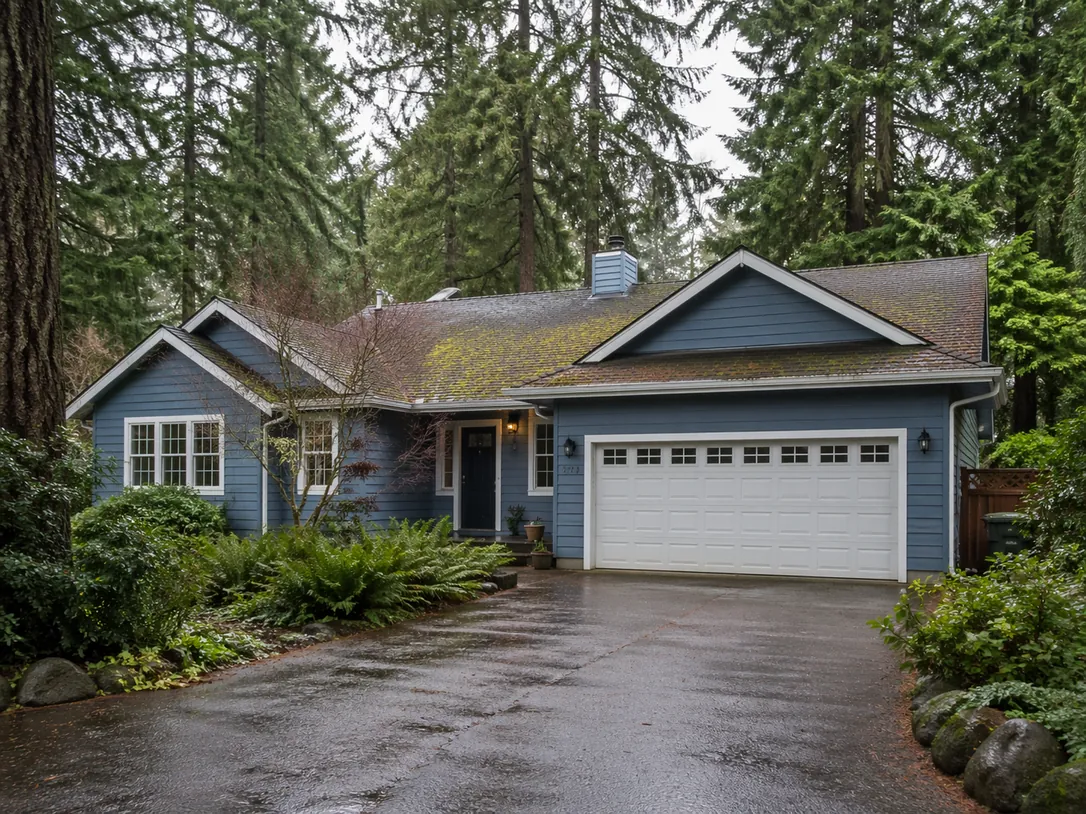
If you can see moss from the ground, the roof is already telling you it is holding moisture longer than it should. Moss thrives in damp, shaded conditions, and once it gets established, it tends to keep spreading if nothing interrupts it. That makes visible moss one of the most obvious signs that the roof needs attention.
Some homeowners assume a little moss is not a big deal as long as the roof is not leaking. The problem with that thinking is that moss is not just sitting there for appearance. It traps moisture against the roof surface and creates conditions for repeat growth and ongoing wear.
If moss is visible now, the better move is usually to deal with it before it gets thicker, spreads wider, and becomes part of a much heavier cleanup. Roof moss removal handles the active growth directly so it does not keep compounding.
Dark staining and dirty-looking sections matter too
Not every roof shows bright green moss right away. Sometimes the first sign is darker staining or sections of the roof that look dirtier than the rest. Those areas often point to organic buildup, moisture retention, or sections of the roof that are not drying normally.
This is common on shaded slopes and lower areas where water and debris tend to linger. Even if the roof does not look severely overgrown yet, those darkened areas can be an early signal that the roof is starting to hold the kind of buildup that leads to bigger problems later.
It is easy to dismiss those changes as normal aging, but in many cases they are really signs that the roof needs cleaning before the condition gets worse.
Pine needles and leaves collecting on the roof should not be ignored
Debris buildup is one of the most overlooked signs that a roof needs attention. Pine needles, leaves, and small branches may seem harmless at first, especially when they are not covering the whole roof. But once that material starts collecting in valleys, edges, and transition points, it begins holding moisture against the roof surface.
That is where trouble starts. Debris slows drying, blocks airflow, and creates ideal conditions for moss and organic buildup to grow faster. Homes near trees are especially prone to this problem, and in many parts of Whatcom County, that is a large share of properties.
If the roof is regularly collecting debris and holding onto it between storms, that is a strong sign the roof needs cleaning before the buildup becomes more established.
A roof that stays damp longer than it should is a problem
One of the less obvious warning signs is a roof that seems to stay darker or wetter longer than expected after rain. From the ground, you may notice certain sections holding moisture long after the weather has cleared. That often points to a combination of shade, debris, and slow drying conditions.
The roof does not need standing water to have a moisture problem. It only needs to stay damp longer than normal. In a wet region, that is enough to encourage moss growth and ongoing organic buildup. The longer those conditions persist, the easier it is for the roof to slide into a larger maintenance issue.
When a roof consistently dries slowly, it is usually worth taking a closer look before visible overgrowth makes the problem impossible to miss.
Clogged gutters are often part of the same issue
Homeowners sometimes think gutter problems and roof problems are separate, but they usually overlap. If the gutters are packed with leaves, needles, and roof runoff, that is often a sign the roof above is also carrying more buildup than it should. It also means the roofline is not draining properly.
Overflowing gutters, visible debris in the gutter channels, or downspouts that are not flowing well all point to the same larger issue: water is not moving away from the roofline the way it should. That can leave lower edges of the roof wetter longer and make moisture-related buildup harder to control.
If the gutters are clogged, the roof probably deserves attention too. Gutter cleaning and roof cleaning usually work best when handled together.
Some parts of the roof may look worse than others
It is common for one section of a roof to show signs of trouble before the rest does. North-facing slopes, heavily shaded sides, and areas under tree cover often collect moss and debris faster than sunnier sections. That uneven pattern can fool homeowners into thinking the roof is mostly fine when one area is already falling behind.
Those early trouble spots matter because they often show how the rest of the roof will behave over time. If one section is already holding moss, staining, or debris, it is worth paying attention before the condition spreads more broadly.
Looking at the roof as a whole is important, but the worst section usually tells you the most about whether cleaning is needed now.
Waiting until the roof looks terrible is usually the expensive option
A lot of homeowners wait because the roof does not seem bad enough yet. The problem is that this usually leads to heavier buildup, more extensive moss growth, and a more involved cleanup later. By the time the roof looks obviously neglected, the issue has often been developing for several seasons.
That is why early signs matter so much. A few patches of moss, recurring debris, dark staining, and poor drainage may not feel urgent on their own, but together they point to a roof that is already slipping behind on maintenance.
Dealing with the roof early is rarely wasted effort. More often, it is the simpler and more practical way to avoid a larger cleanup cycle. Annual roof maintenance helps homeowners stay ahead of those warning signs instead of reacting to them.
The goal is to catch buildup before it becomes the main story
Roof cleaning works best when it is done before the roof is overwhelmed. The goal is not chasing a perfect-looking roof at all times. It is noticing when moss, debris, and drainage issues are starting to build momentum and stepping in before they turn into a more serious problem.
For many homeowners, that means watching for the early signs: visible moss, dark staining, debris buildup, slow drying areas, and clogged gutters. Those are all indicators that the roof may need attention now rather than later.
In Whatcom County, where moisture-heavy conditions are already common, staying ahead of those warning signs is one of the smartest ways to keep roof care manageable over time. Get in touch if you have noticed any of these signs and want a straightforward look at what the roof needs.
If your roof has visible moss, dark staining, collected debris, clogged gutters, or sections that stay damp too long, it is probably time to clean it before the problem grows. Roof issues usually build gradually, not all at once. Catching those signs early can help you avoid a heavier cleanup and keep the roof in better shape over time.
Thinking about your roof?
Free inspections across Bellingham and Whatcom County. No pressure, no hard sell — just an honest look at what your roof needs.
Request a Free Inspection