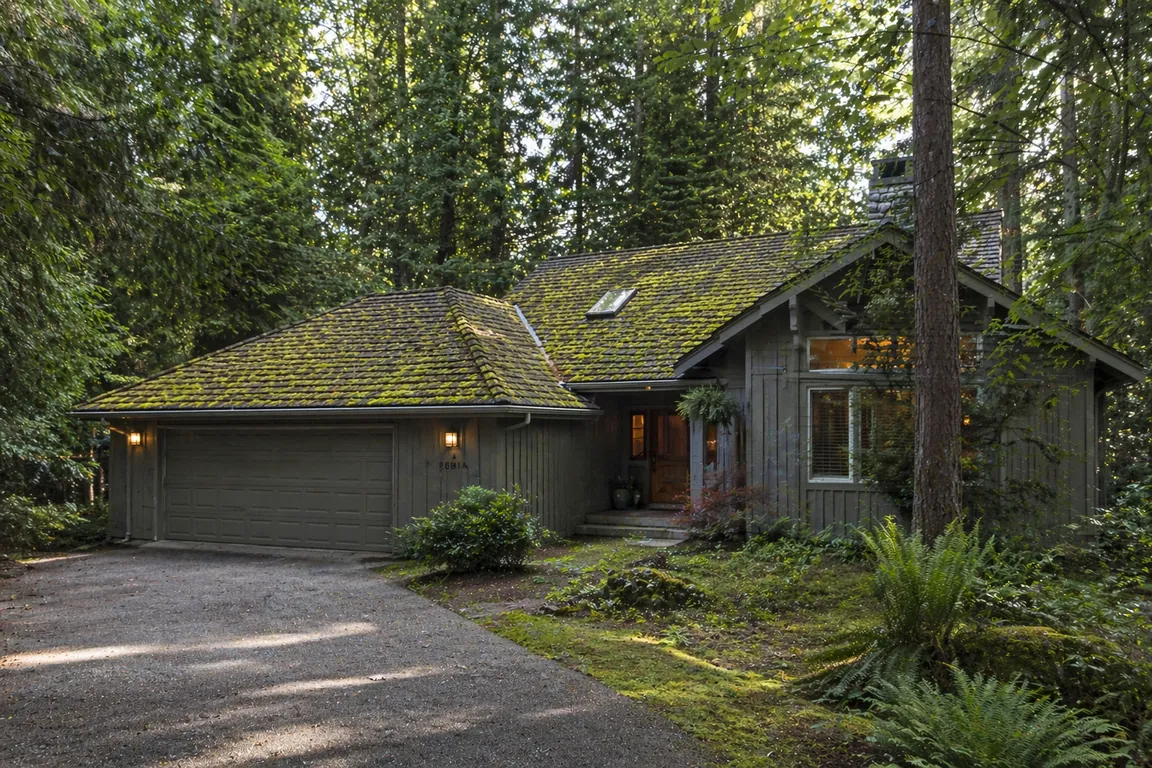
A lot of homeowners think clogged gutters are just a leaf problem. The reality is that blocked gutters can affect how water moves off the roof and away from the house. When drainage slows down or overflows, the roof edge and surrounding areas can stay wetter longer, which is not something you want in a place like Whatcom County.
Gutters are easy to ignore until they start overflowing. Most homeowners notice them when water spills over the sides during rain or when plants seem to be growing out of them. But clogged gutters are not just a cleanup issue. They can affect how the roof handles water, and that makes them part of a much bigger roof-care conversation.
In Whatcom County, where roofs already deal with regular moisture, blocked gutters can make drainage problems worse. When leaves, needles, and roof debris build up in the gutter system, water stops moving the way it should. That can leave parts of the roofline wetter longer and contribute to the same moisture-heavy conditions that lead to moss, buildup, and repeat maintenance issues.
Gutters are part of your roof drainage system
A lot of people think of gutters as an add-on, but they are really part of the way the roof sheds water. Rain hits the roof surface, runs downward, and then needs somewhere to go. The gutters are what carry that runoff away from the roof edge and direct it away from the home.
When the gutters are clear, that process is simple. Water moves through the channels, into the downspouts, and away from the structure. When the gutters are packed with debris, that flow slows down or stops. Water starts backing up, overflowing, or sitting where it was not meant to sit.
That is why gutter cleaning matters to roof care. If the roof drainage system is blocked at the edges, the whole roofline can be affected.
Overflow is more than a cosmetic nuisance
One of the clearest signs of clogged gutters is water spilling over the sides during a storm. A lot of homeowners see that as messy but minor. The bigger issue is what that overflow says about the drainage system. It means water is no longer moving cleanly away from the roofline.
When that happens, the edge of the roof can stay wetter than it should. Fascia areas, lower roof sections, and the surrounding exterior can all end up dealing with more moisture exposure than they were designed for. Even if the overflow only happens during heavy rain, repeated exposure adds up over time.
In a damp region, that extra moisture load is not something to brush off. It creates exactly the kind of environment that supports organic buildup and ongoing maintenance trouble.
Clogged gutters can contribute to roof-edge moisture problems
The edge of the roof is one of the most important transition points on the house. It is where roof runoff leaves the roofing surface and enters the gutter system. If that handoff is interrupted by packed leaves, pine needles, and roof debris, moisture can linger in places where it should be moving out quickly.
This does not always show up as a dramatic failure right away. More often, it creates a slow, repeated pattern of poor drainage. Water may back up slightly, overflow repeatedly, or keep the lower edge of the roofline damp longer after storms.
That kind of ongoing moisture exposure is one reason gutter issues should not be treated as separate from roof maintenance. The two are connected.
Roof debris often becomes gutter debris
Another reason gutter clogs matter to roof care is that the material usually starts on the roof. Needles, leaves, moss fragments, and small debris collect on the roof surface first. Then rain moves that material into the gutter channels, where it begins to pile up.
That means a clogged gutter is often a sign that the roof itself also needs attention. If the gutters are filling up repeatedly with runoff from above, the problem may not be limited to the gutter system. The roof may be carrying enough organic buildup that it is feeding the same cycle over and over.
This is why roof cleaning and gutter cleaning often make more sense together. One deals with the material at the source, and the other clears the path where that material ends up.
Blocked gutters can make moisture conditions worse for the whole roofline
Once gutters stop draining properly, the effects are not always limited to the trough itself. Water that should be moving out and away can end up sitting longer around the roof edge and nearby surfaces. That can make already damp conditions even worse, especially on homes with shade, tree cover, or slow drying areas.
For homeowners already dealing with roof moss, dark streaking, or recurring buildup, clogged gutters can quietly make the same problem harder to control. They are not always the original cause, but they often help keep the roofline wetter than it needs to be.
That matters because moss and organic buildup thrive in exactly those conditions. When water is not draining cleanly, the roof does not get the same chance to dry out properly between wet periods.
What homeowners should watch for
Overflow during rain is the obvious warning sign, but it is not the only one. You may also notice gutters sagging under the weight of debris, downspouts that are not draining well, dark streaking near roof edges, or visible plant matter collecting in the gutter line.
Sometimes the roof itself offers clues. Lower sections may look darker, stay wet longer, or collect more organic buildup near the edges. In homes surrounded by trees, those signs often show up faster because the debris load is heavier year-round.
Paying attention to those signs early can help prevent a small drainage issue from becoming part of a larger roof-care problem.
Why regular gutter cleaning is a practical part of roof maintenance
Homeowners often separate roof cleaning and gutter cleaning into different categories, but in practice they support the same goal. Both help reduce trapped moisture, improve drainage, and keep buildup from getting out of hand. In a place like Whatcom County, that kind of routine attention makes more sense than waiting until the whole system is visibly overloaded.
Regular gutter cleaning helps water move where it is supposed to go. It also makes it easier to catch roof debris patterns early and keep the roofline in more manageable condition through the year. For homes with nearby trees or recurring roof runoff, that kind of maintenance is often one of the simplest ways to stay ahead of bigger cleanup issues.
The point is not to treat gutters like a separate chore that only matters when they look bad. The point is to recognize that they directly affect roof performance and roof moisture conditions.
The smarter move is dealing with the whole roofline
If the gutters are clogged, it is worth asking what is happening above them too. Is the roof collecting needles and leaves? Is moss shedding into the drainage system? Are certain sections staying damp longer than they should? Those questions matter because gutter problems rarely happen in isolation.
The more practical approach is to look at the roofline as one connected system. Clean the roof when buildup is starting to take hold. Keep the gutters clear so runoff can drain properly. Use annual roof maintenance to stop both parts of the problem from getting worse over time.
That approach is usually more effective than reacting only after the gutters overflow or the roof starts looking neglected. Better roof care starts with paying attention to how water moves off the house and dealing with anything that gets in the way. Reach out if you want us to assess the full roofline and give you a clear picture of where things stand.
Clogged gutters are not just messy. They can interfere with roof drainage, keep parts of the roofline wetter longer, and contribute to ongoing buildup problems. Keeping gutters clear is a simple but important part of protecting the roof and staying ahead of bigger maintenance issues.
Thinking about your roof?
Free inspections across Bellingham and Whatcom County. No pressure, no hard sell — just an honest look at what your roof needs.
Request a Free Inspection