A lot of homeowners feel frustrated when moss shows up again not long after a roof has been cleaned. The problem is that cleaning removes the current growth, but it does not automatically change the conditions that caused it in the first place. If you want to keep moss from coming back as fast, you need to think beyond cleanup and focus on prevention.
Getting moss off a roof is one thing. Keeping it from coming right back is the bigger challenge. That is especially true in places like Whatcom County, where damp weather, shade, and tree cover create the kind of environment moss likes.
This is why some homeowners feel like they are stuck in a cycle. The roof gets cleaned, it looks better for a while, and then the moss slowly starts returning. The issue is not always that the cleaning did not work. It is usually that the roof is still dealing with the same moisture and buildup conditions that allowed moss to grow there in the first place.
Why moss keeps coming back
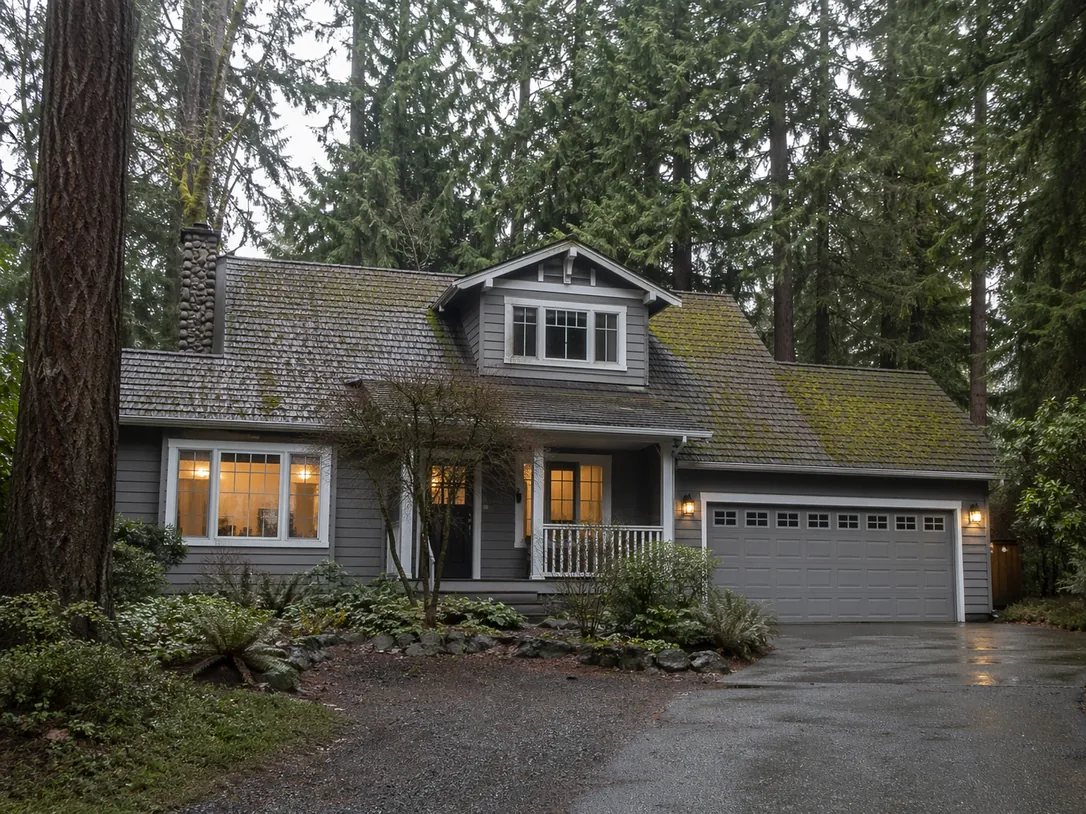
Moss returns when the roof stays hospitable to it. That usually means shade, lingering moisture, organic debris, and slow drying conditions. If a roof spends long stretches damp, especially under tree cover or on sections with limited sun exposure, moss has an easier time reestablishing itself.
Debris plays a role too. Needles, leaves, and small branches do more than make the roof look messy. They hold moisture against the surface and create the kind of soft, damp environment where moss can gain traction again. Even after a cleaning, those conditions can rebuild if the roof is left alone too long.
That is why moss prevention is not just about removing visible growth. It is about reducing the conditions that let that growth come back quickly.
Cleaning solves the current problem, not the whole cycle
One of the biggest misunderstandings homeowners have is thinking that roof cleaning should permanently solve moss. Cleaning is essential because it deals with the moss and buildup that are already there. But it is the immediate fix, not the entire long-term plan.
If a roof has a history of moss growth, there is usually a reason. It may be surrounded by trees. It may stay shaded most of the day. It may have areas where debris settles and moisture lingers longer than it should. Unless those patterns are managed, moss often comes back over time.
That does not mean cleaning is not worth doing. It means the smarter approach is to treat roof cleaning as the first step, then follow it with prevention-focused roof care that helps slow the return.
Keep the roof clear of debris
One of the simplest ways to reduce moss regrowth is to keep the roof from collecting thick organic debris. Needles, leaves, and small branch litter trap moisture and reduce airflow across the surface. The longer that material sits there, the easier it is for the roof to stay damp and start growing moss again.
This is especially important on roofs with valleys, transitions, and lower sections where debris naturally gathers. Homes near trees usually deal with this more often, which means they may also need more regular roof attention.
Keeping debris off the roof does not guarantee moss will never return, but it helps remove one of the biggest contributors to repeat growth.
Pay attention to gutters too
Homeowners do not always connect gutter cleaning with moss prevention, but the two are closely related. Gutters control how water leaves the roofline. When they are packed with roof runoff, leaves, and needles, drainage suffers.
That creates more moisture around the roof edge and can contribute to slow drying conditions in areas that already have a buildup problem. If the goal is to keep the roof drier and reduce the conditions that feed moss, the gutters need to be part of the plan.
This is one reason roof care works better as a system. The roof surface, the debris load, and the drainage path all affect each other.
Prevention works best when it is ongoing
The most practical way to keep moss from coming back quickly is to stop thinking in terms of one cleanup every several years. Major cleanups have their place, but they are not the best long-term strategy for roofs that repeatedly deal with moisture and moss.
Ongoing roof moss prevention and annual roof maintenance make more sense for homes where buildup comes back regularly. Instead of waiting until the roof looks bad again, the goal is to keep it from getting there. That means paying attention to the roof before the moss becomes heavy and widespread.
This kind of prevention-focused roof care is usually the smarter move for properties with dense shade, nearby trees, or a history of repeat moss issues. It helps reduce the cycle of neglect, major cleanup, and repeat buildup.
Some homes need more frequent attention than others
Not every roof has the same moss risk. A roof with more sun exposure and less tree cover may stay dry longer and need less frequent service. A roof tucked under evergreens or in heavy shade may build conditions for moss much faster.
That is why prevention plans should be based on the property, not a generic schedule. What works for one home may not be enough for another. Homes in damp, shaded parts of Whatcom County often need more consistent roof care simply because the environment is working against them.
The best prevention plan is the one that matches how the roof actually behaves over time.
What prevention should really aim to do
The goal is not to promise that moss will never appear again. In a wet region, that would not be an honest way to talk about roof care. A better way to think about prevention is reducing how fast the problem returns and how severe it gets between service visits.
That is a much more practical standard. Good prevention helps limit repeat buildup, reduces the chance of another heavy cleanup cycle, and makes it easier to keep the roof in manageable condition over time. It is about control, not magic.
For homeowners, that matters because it turns roof care into something more predictable. Instead of reacting once the roof looks rough again, they can stay ahead of the problem with a more sensible maintenance plan.
The smarter approach is cleanup plus prevention
If your roof already has moss, the first step is dealing with what is there now. That may involve roof moss removal, debris clearing, and gutter cleaning depending on the condition of the property. Once the current problem is handled, prevention becomes the next layer.
That is the part many homeowners skip. They solve the visible issue, but they do not do much to reduce how fast the same conditions return. Then a few seasons later, they are back in the same spot again.
The more practical approach is simple: clean the roof, reduce the conditions that encourage moss, and stay consistent with prevention-focused roof care moving forward. Reach out if you want us to look at your roof and put together a plan that fits your property.
Moss comes back when the roof stays damp, shaded, and loaded with debris. Cleaning handles the current growth, but prevention helps slow the return and keep the roof from falling back into the same cycle. The best long-term plan is not just removing moss once. It is staying ahead of the conditions that let it keep coming back.
Thinking about your roof?
Free inspections across Bellingham and Whatcom County. No pressure, no hard sell — just an honest look at what your roof needs.
Request a Free Inspection